Network Notion
Internet’s Dark Forests: Subcultural Memories and Vernaculars of a Layered Imaginary
by Marta Ceccarelli | Amsterdam: Institute of Network Cultures, 2024 | Download PDF


INC publication series include essay collections, commissioned writings on the intersection of research, art, and activism, and theoretical works with an international scope. Experiments are done with multiple formats such as print, ePub, PDF, etc. keeping quality standards in content and design high at all times. The INC produces and distributes books in-house, which allows publishing of state-of-the-art research in a fast yet personal way. Most publications are open access and available for free for everyone interested. Order INC publications
Theory on Demand presents an ‘archive of content production’ available in print-on-demand. The series includes reprints of theoretical new media work, for example dissertations or books that have gone out of stock, but also new work that’s unfit for traditional publishers.
Studies in Network Cultures is a series produced in collaboration with nai010 publishers. The books investigate concepts and practices specific to the shifting environment of network cultures.

Network Notion
Internet’s Dark Forests: Subcultural Memories and Vernaculars of a Layered Imaginary
by Marta Ceccarelli | Amsterdam: Institute of Network Cultures, 2024 | Download PDF
Longform
Six Theses towards the Liberation of Arts Philanthropy
by Sepp Eckenhaussen | Amsterdam: Institute of Network Cultures, 2024 | Download PDF
INC Longforms
by Ezequiel Soriano | Amsterdam: Institute of Network Cultures, 2024 |
Miscellanea
Screentime Airtime Facetime: Practicing Hybridity in the Cultural Field
Amsterdam: Institute of Network Cultures, 2023 | Download PDF
INC Longforms
by Ivana Emily Koro | Amsterdam: Institute of Network Cultures, 2024 |
INC Longforms
by Jess Henderson | Amsterdam: Institute of Network Cultures, 2024 |
INC Longforms
by Mela Miekus & Mita Medri | Amsterdam: Institute of Network Cultures, 2024 |
Theory on Demand
The Planalto Riots: Making and Unmaking a Failed Coup in Brazil
Edited by Lou Caffagni, Isabel Löfgren, Gizele Martins and Paola Sartoretto | Amsterdam: Institute of Network Cultures, 2023 | Download PDFBuy the book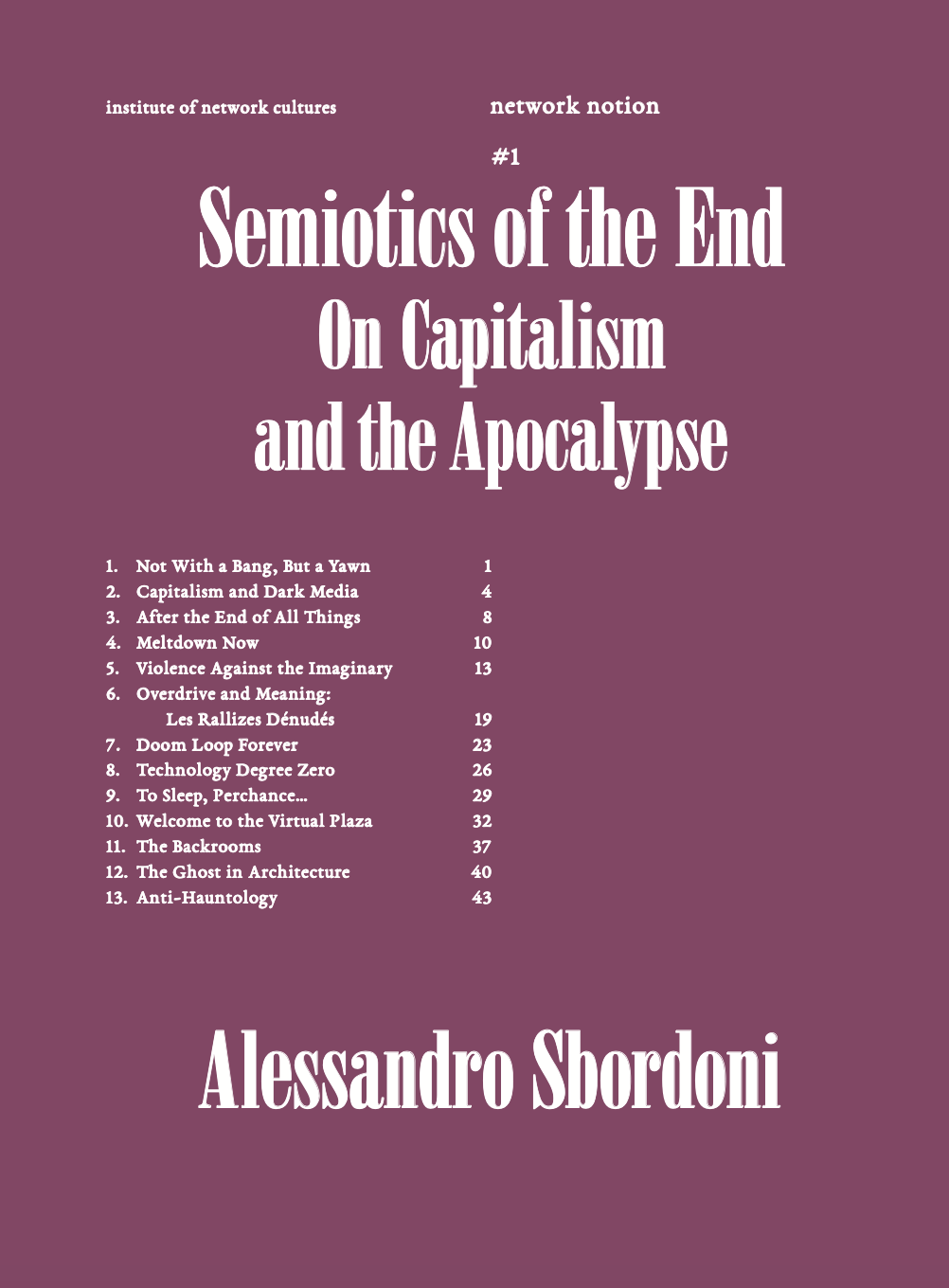
Network Notion
Network Notion #1: Semiotics of the End: On Capitalism and the Apocalypse
Alessandro Sbordoni | Amsterdam: Institute of Network Cultures, 2023 |
Theory on Demand
TOD #50: Resisting Data Colonialism – A Practical Intervention
The Tierra Común Network | Amsterdam: Institute of Network Cultures, 2023 | Download PDFBuy the book
INC Longforms
Beyond the Faust and the Hype: Imaginaries of Large Language Text Models
by Daniele Gambetta | Amsterdam: Institute of Network Cultures |
Theory on Demand
ToD #49: De bevrijding van het mecenaat
geredigeerd door Sepp Eckenhaussen | Amsterdam: Instituut voor Netwerkcultuur en Platform Beeldende Kunst, 2023 | Download PDF
Expanded Publishing, The Void
by Noura Tafeche | Amsterdam: Institute of Network Cultures 2023 | Download PDF
Miscellanea
Plot Work as an Artistic Praxis in Today’s Cityscapes
by Patricia de Vries | Amsterdam: Institute of Network Cultures | Download PDF
Miscellanea
All the Other Directions We Can Go: Alternative Media Networks and their Infrastructures
by Carolina Valente Pinto | Amsterdam: Institute of Network Cultures, 2023 | Download PDF
INC Longforms
Hypothes.is: Playing with Digital Texts’ Expandable Confines
by Victor Chaix | Amsterdam: Institute of Network Cultures | Download PDF
Miscellanea
Log Out: A Glossary of Technological Resistance and Decentralization
edited by Valeria Ferrari, Florian Idelberger, Andrea Leiter, Morshed Mannan, María-Cruz Valiente, Balázs Bodó | Amsterdam: Institute of Network Cultures | Download PDF
INC Longforms
The City as Black Box: Navigating Through the Surplus of Information
by Agnieszka Antkowiak | Amsterdam: Institute of Network Cultures | Download PDF
Miscellanea, MoneyLab
Money after Money: Disassembling Value/Information Infrastructures
by Valeria Ferrari | Amsterdam: Institute of Network Cultures, 2023 | Download PDF
INC Longforms
Art at Work: The Role of Internet Memes in the Postartistic Age
by Agnieszka Antkowiak | Amsterdam: Institute of Network Cultures | Download PDF
INC Longforms
Décoder, Recoder, Dépasser: Pour une Véritable Techno-Magie
by Victor Chaix | Amsterdam: Institute of Network Cultures, 2023 | Download PDF
INC Longforms
DeusexMaki: A hybrid theater performance
by Maki Barna‐Lipkovski | Amsterdam: Institute of Network Cultures, 2023 | Download PDF
INC Zine, Video in An Envelope
by Morgane Billuart | Amsterdam: Institute of Network Cultures, 2023 |
Theory on Demand
TOD #48: The Politics of Platformization – Amsterdam Dialogues on Platform Theory
by Gianmarco Cristofari | Amsterdam: Institute of Network Cultures, 2023 | Download PDF
Theory on Demand
TOD #47: Failurists – When Things go Awry
edited by Sybille Lammes, Kat Jungnickel, Larissa Hjorth & Jen Rae | Amsterdam: Institute of Network Cultures, 2023 | Download PDFBuy the book
INC Longforms
Our Little Drones: Senses, Violence and the Space
by Gaia Casagrande | Amsterdam: Institute of Network Cultures, 2023 | Download PDF
INC Longforms
by Chloë Arkenbout | Amsterdam: Institute of Network Cultures, 2022 | Download PDF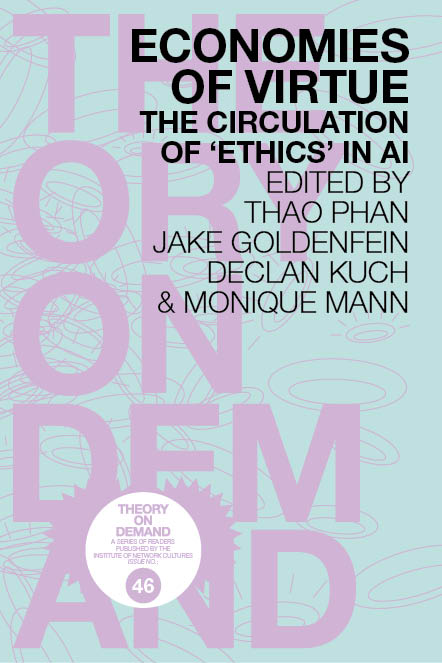
Theory on Demand
TOD #46: Economies of Virtue – The Circulation of ‘Ethics’ in AI
edited by Thao Phan, Jake Goldenfein, Declan Kuch, and Monique Mann | Amsterdam: Institute of Network Cultures, 2022 | Download PDFBuy the book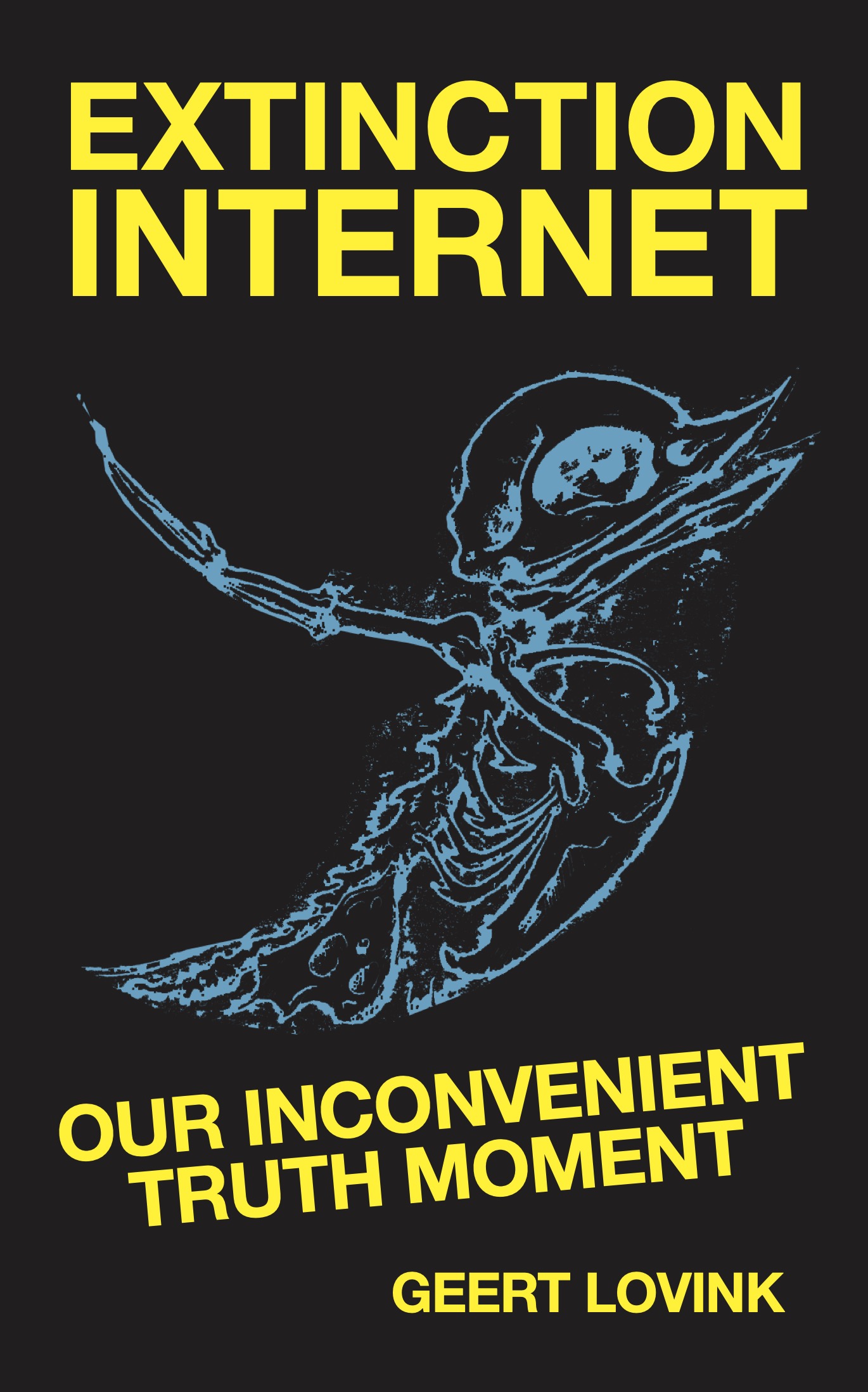
Geert Lovink's Books, Miscellanea
Geert Lovink: Extinction Internet
by Geert Lovink | Amsterdam: Institute of Network Cultures, 2022 | Download PDF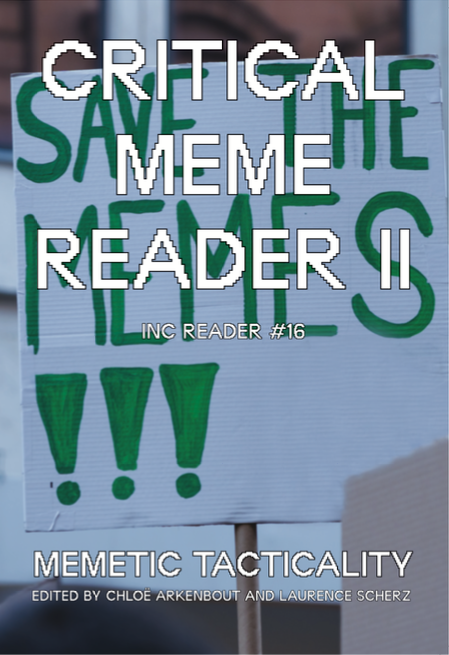
INC Reader
Critical Meme Reader II: Memetic Tacticality
edited by Chloë Arkenbout and Laurence Scherz | Amsterdam: Institute of Network Cultures, 2022 | Download PDFBuy the book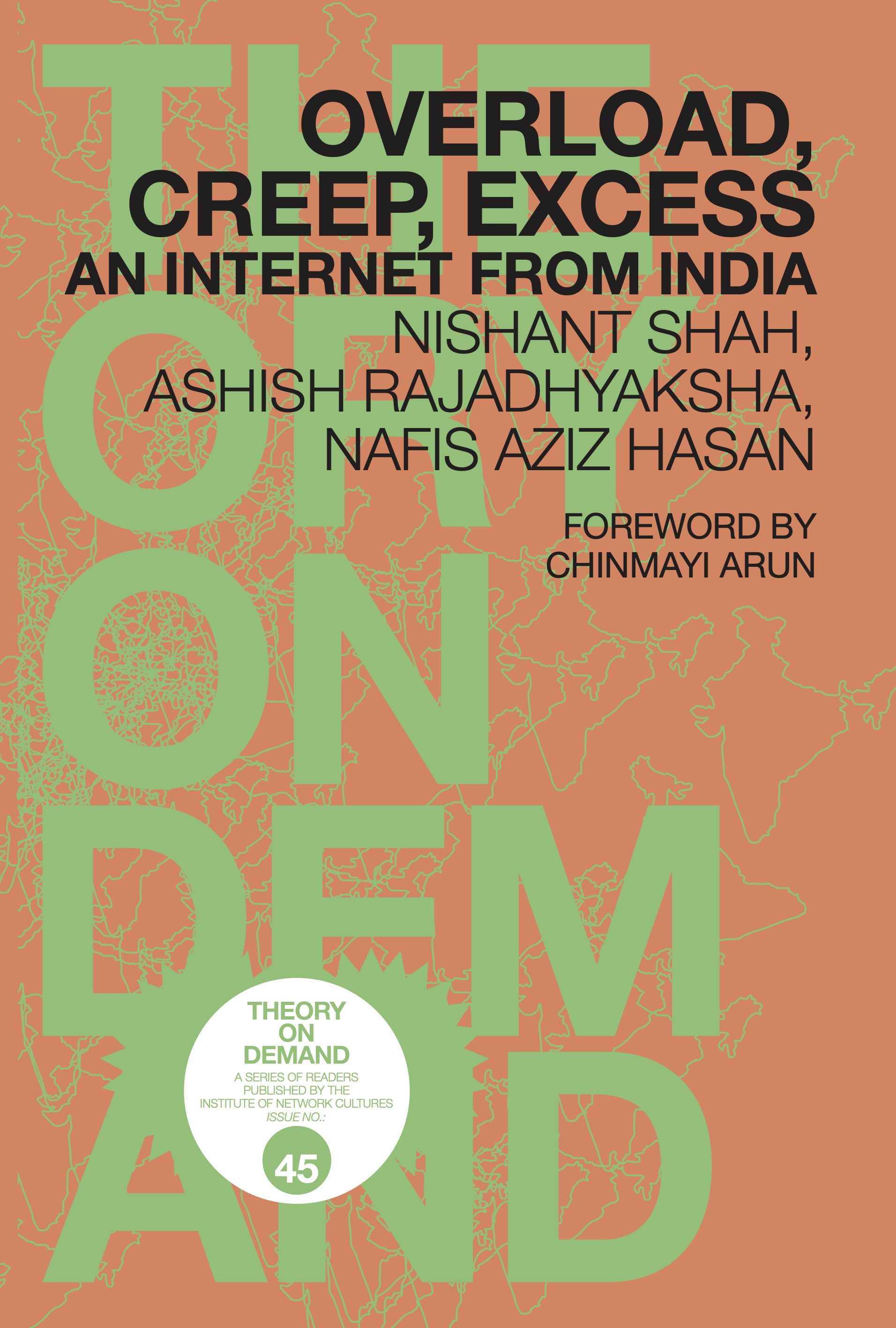
Theory on Demand
TOD #45: Overload, Creep, Excess – An Internet from India
by Nishant Shah, Ashish Rajadhyaskha, Nafis Hasan | Amsterdam: Institute of Network Cultures, 2022 | Download PDFBuy the book
Deep Pockets
THE PSYCHOLOGY OF THE WEB DEVELOPER, REALITY OF A FEMALE FREELANCER
by Maisa Imamović | Amsterdam: Institute of Network Culture, 2022 | | Download PDFBuy the book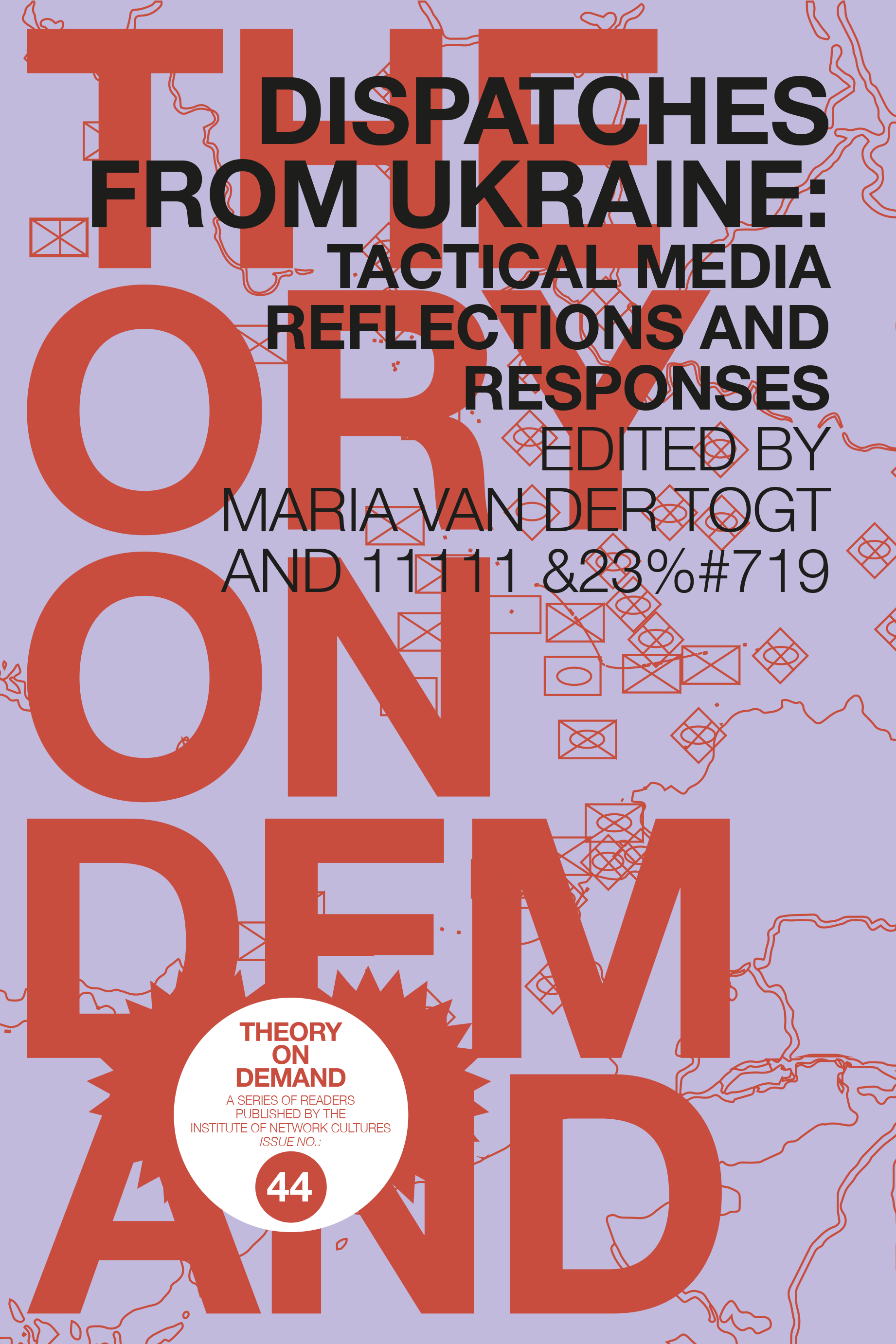
Theory on Demand
TOD #44: Dispatches from Ukraine: Tactical Media Reflections and Responses
edited by Maria van der Togt and 11111 &23%#719 | Amsterdam: Institute of Network Cultures, 2022 | Download PDFBuy the book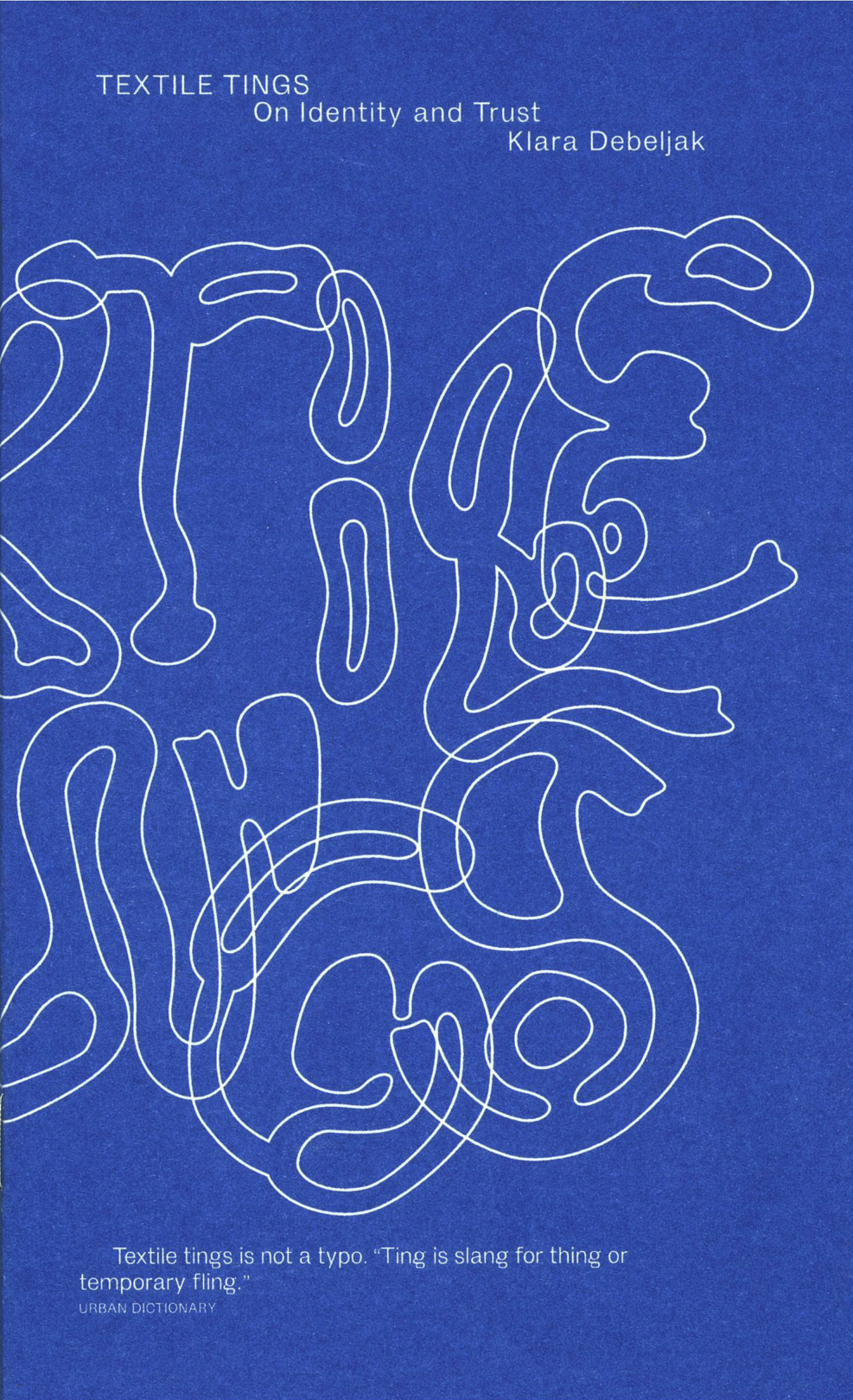
Miscellanea
by Klara Debeljak | Amsterdam: Institute of Network Cultures, 2022 |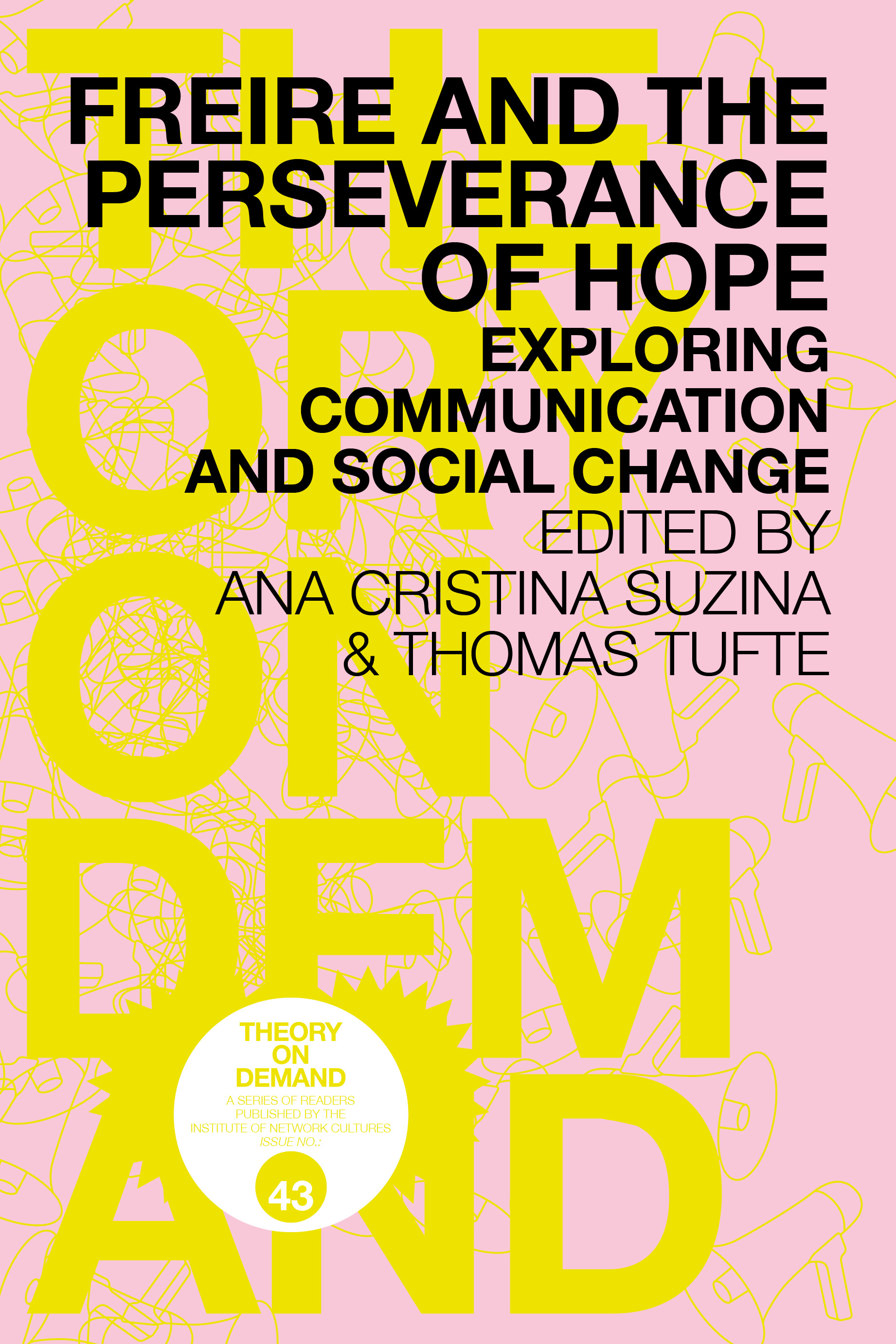
Theory on Demand
TOD #43: Freire and the Perseverance of Hope: Exploring Communication and Social Change
edited by Ana Cristina Suzina and Thomas Tufte | Amsterdam: Institute of Network Cultures, 2022 | Download PDF
Geert Lovink's Books
Stuck on the Platform: Reclaiming the Internet
by Geert Lovink | Amsterdam: Valiz, 2022 | Buy the book
INC Longforms
Below the Market: On the Artist Pension Trust and the Future of Self-Organized Redistribution
by Sepp Eckenhaussen | Amsterdam: Institute of Network Cultures | Download PDF
INC Longforms
The Internet is The Recipe: Sexual and Psychological Education in Digital Spheres
by Morgane Billuart | Amsterdam: Institute of Network Cultures | Download PDF
INC Zine
PrtScn: The Lazy Art of Screenshot
edited by Dunja Nešović | Amsterdam: Institute of Network Cultures, 2022 | Download PDF
INC Longforms
by Lukas Engelhardt | Amsterdam: Institute of Network Cultures | Download PDF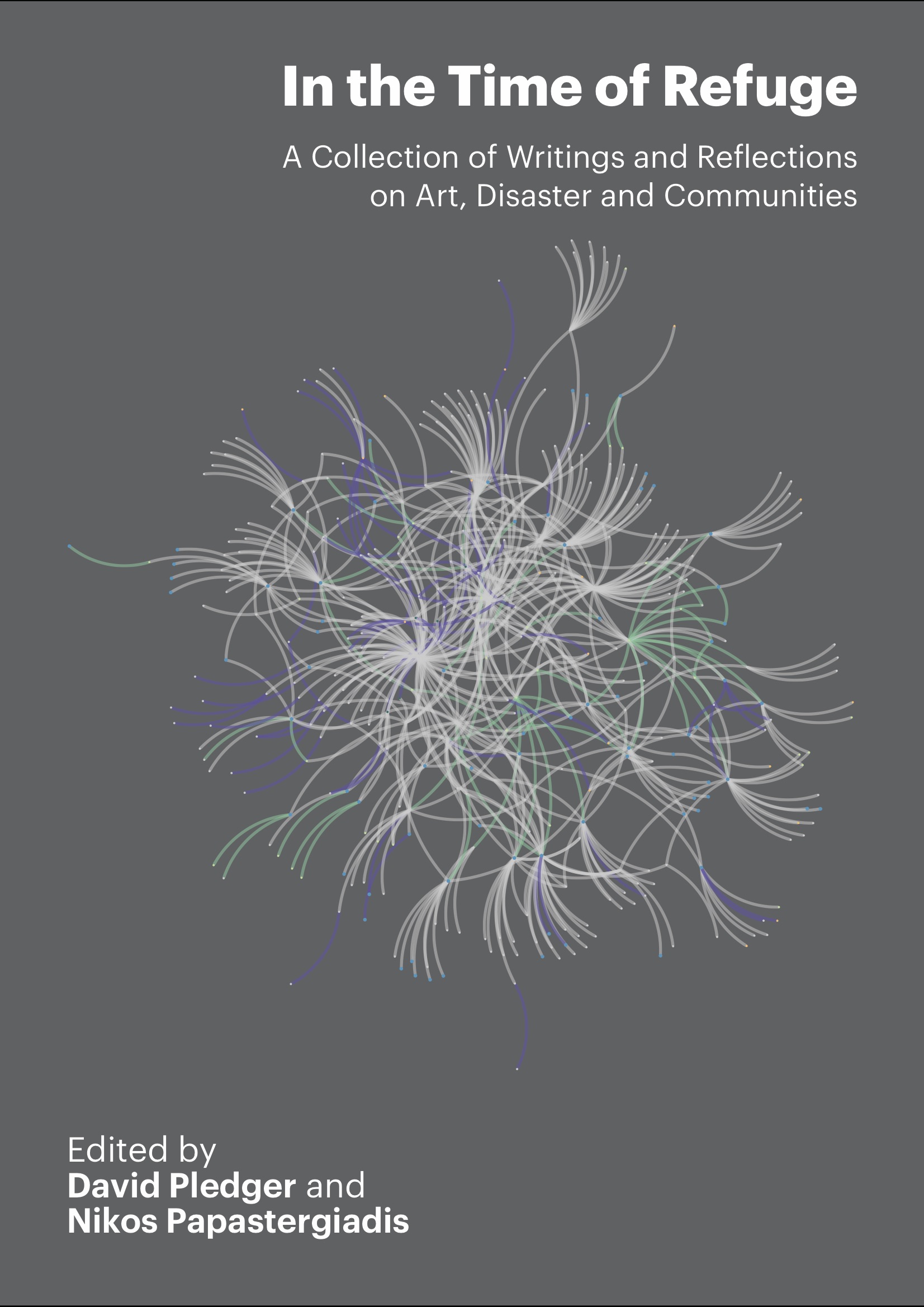
Miscellanea
In the Time of Refuge: A Collection of Writings and Reflections on Art, Disaster and Communities
edited by David Pledger and Nikos Papastergiadis | Amsterdam: Institute of Network Cultures, 2022 | Download PDF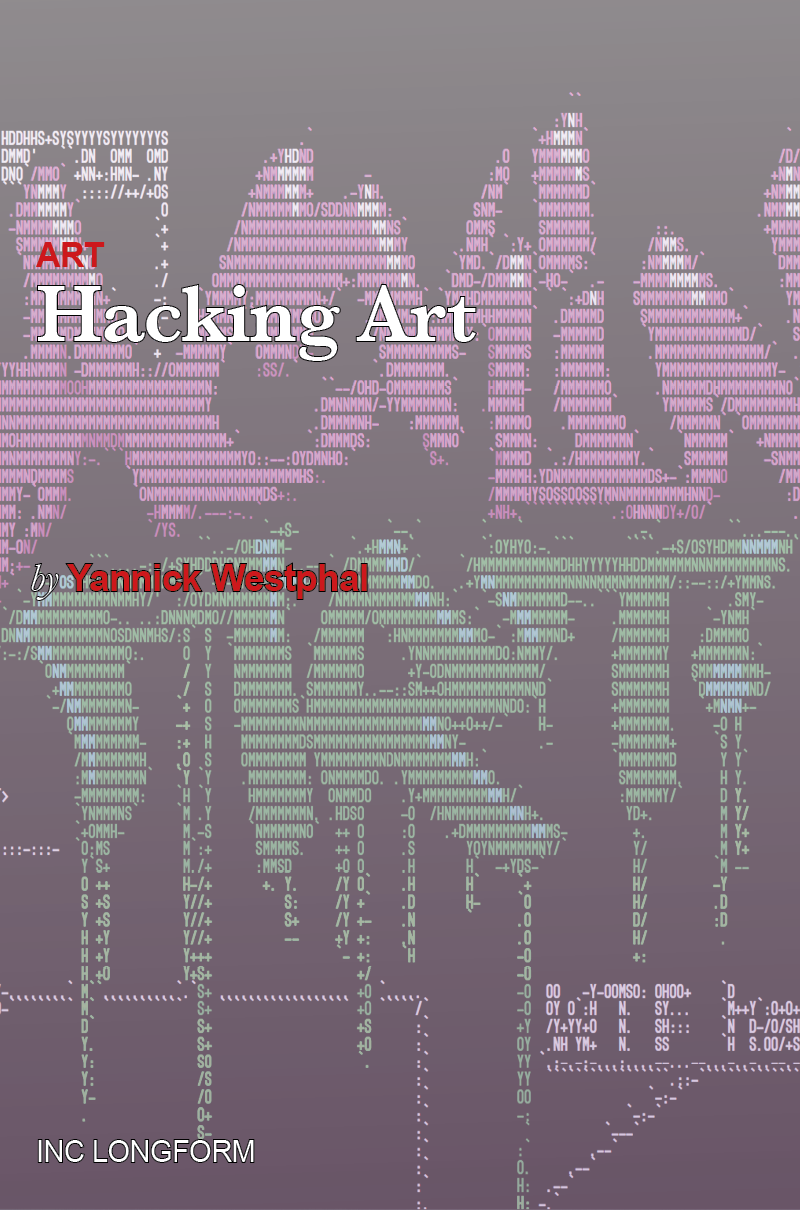
INC Longforms
by Yannick Westphal | Amsterdam: Institute of Network Cultures, 2022 | Download PDF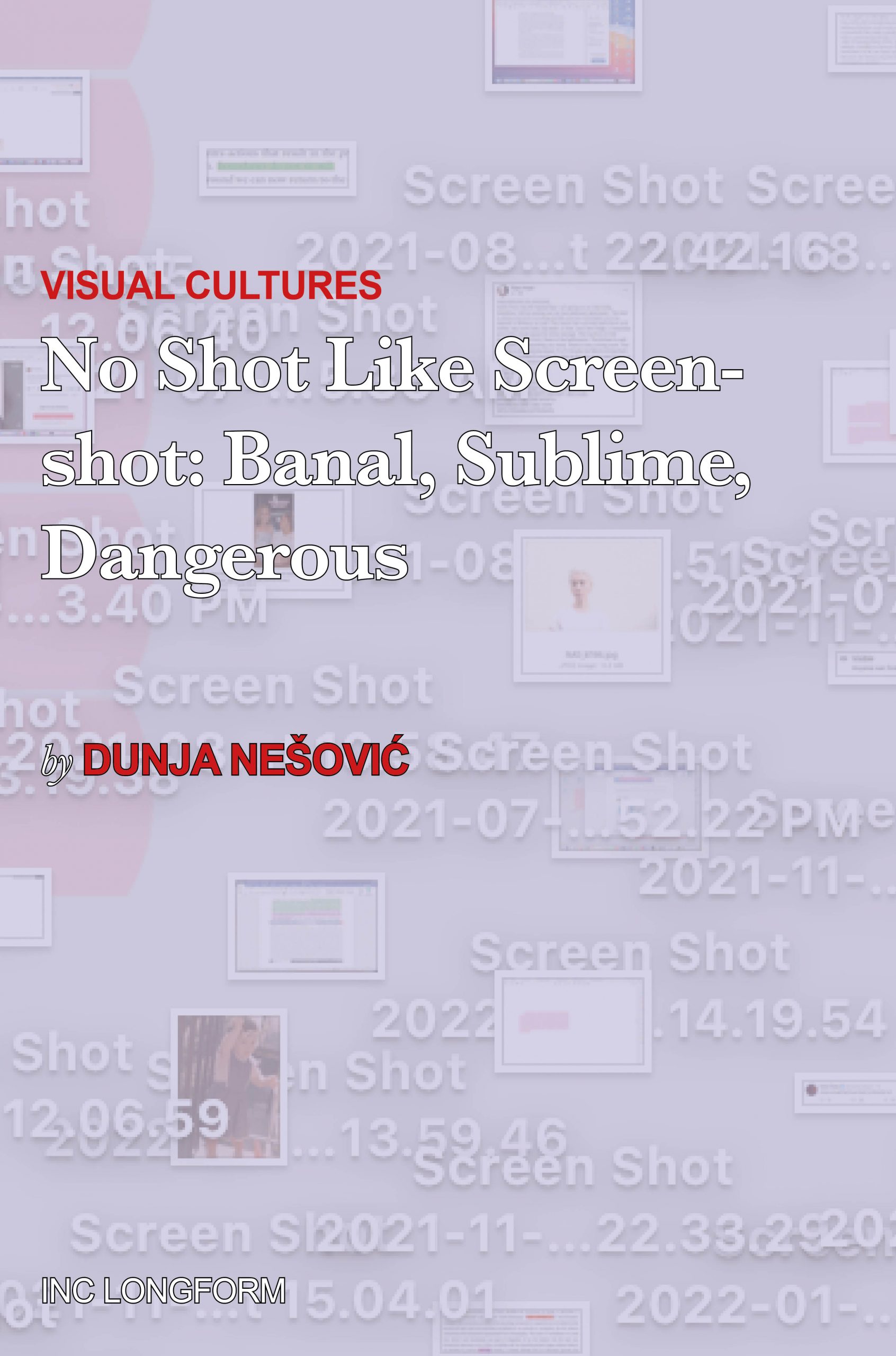
INC Longforms
No Shot Like Screenshot: Banal, Sublime, Dangerous
by Dunja Nešović | Amsterdam: Institute of Network Cultures, 2022 | Download PDF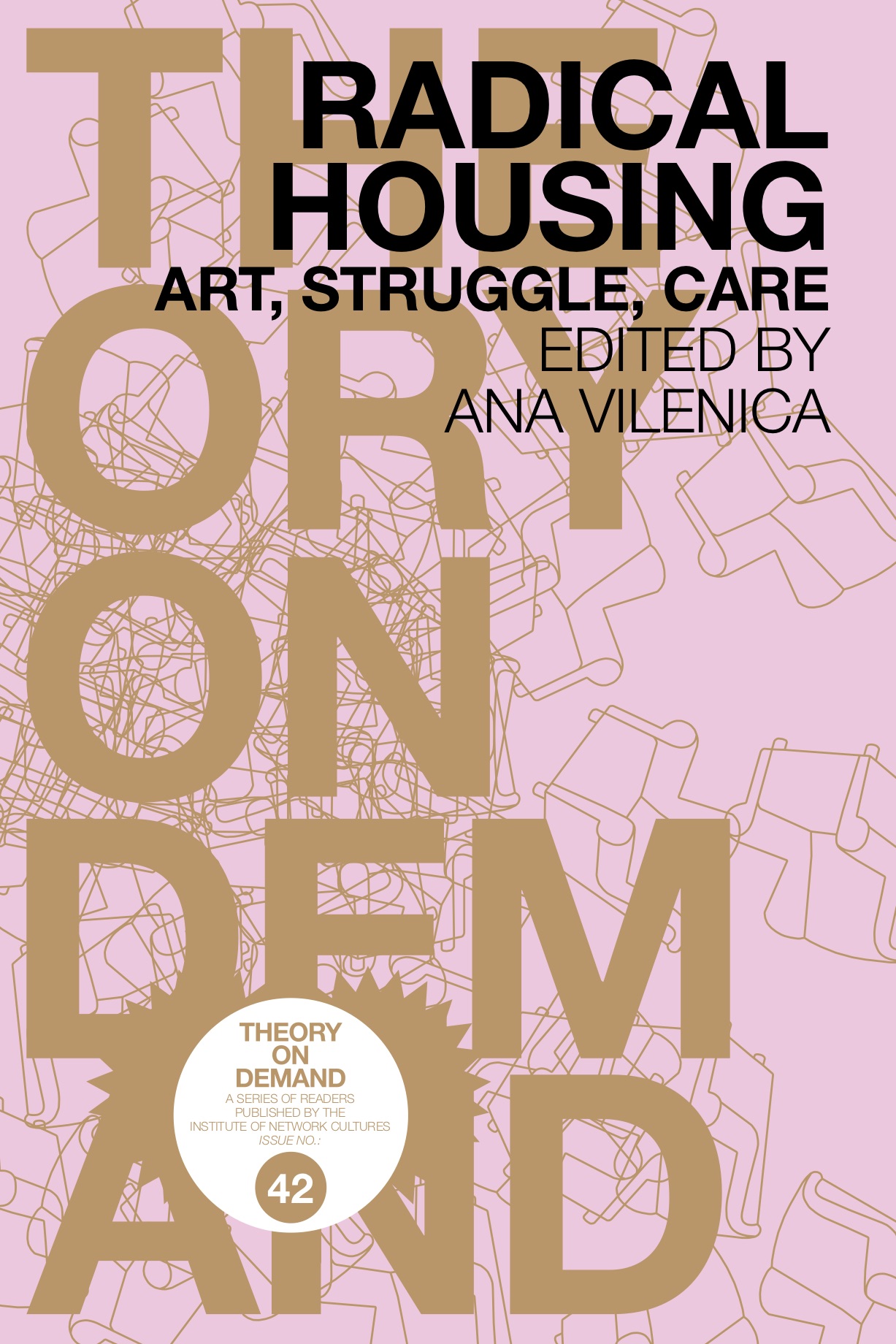
Theory on Demand
TOD #42: Radical Housing: Art, Struggle, Care
Edited by Ana Vilenica | Amsterdam: Institute of Network Cultures, 2021 | Download PDF
INC Zine
Amsterdam: Institute of Network Cultures & Learning Community Critical Making, 2021 | Download PDF
INC Longforms
Cycles: the Sacred and the Doomed, On Optimization, PMDD and its Metaphors.
by Morgane Billuart | Amsterdam: Institute of Network Cultures, 2021 | | Download PDF
INC Longforms
by Iris Hagel | Amsterdam: Institute of Network Cultures, 2021 | Download PDF
INC Longforms
Digital Esoterism Or to be a Witch in the Age of Surveillance Capitalism
by Ginevra Petrozzi I Amsterdam: Institute Network Cultures, 2021 | Download PDF
Miscellanea
By Mieke Gerritzen | Amsterdam: All Media Production, 2006 | Download PDF
INC Longforms
Now You See Me: Visibility of the Lesbian Identity on TikTok
by Dunja Nešović | Amsterdam: Institute of Network Cultures, 2021 | Download PDF
Miscellanea
edited by Miriam Rasch & Nishant Shah | Arnhem: ArtEZ Press, 2021 | Download PDF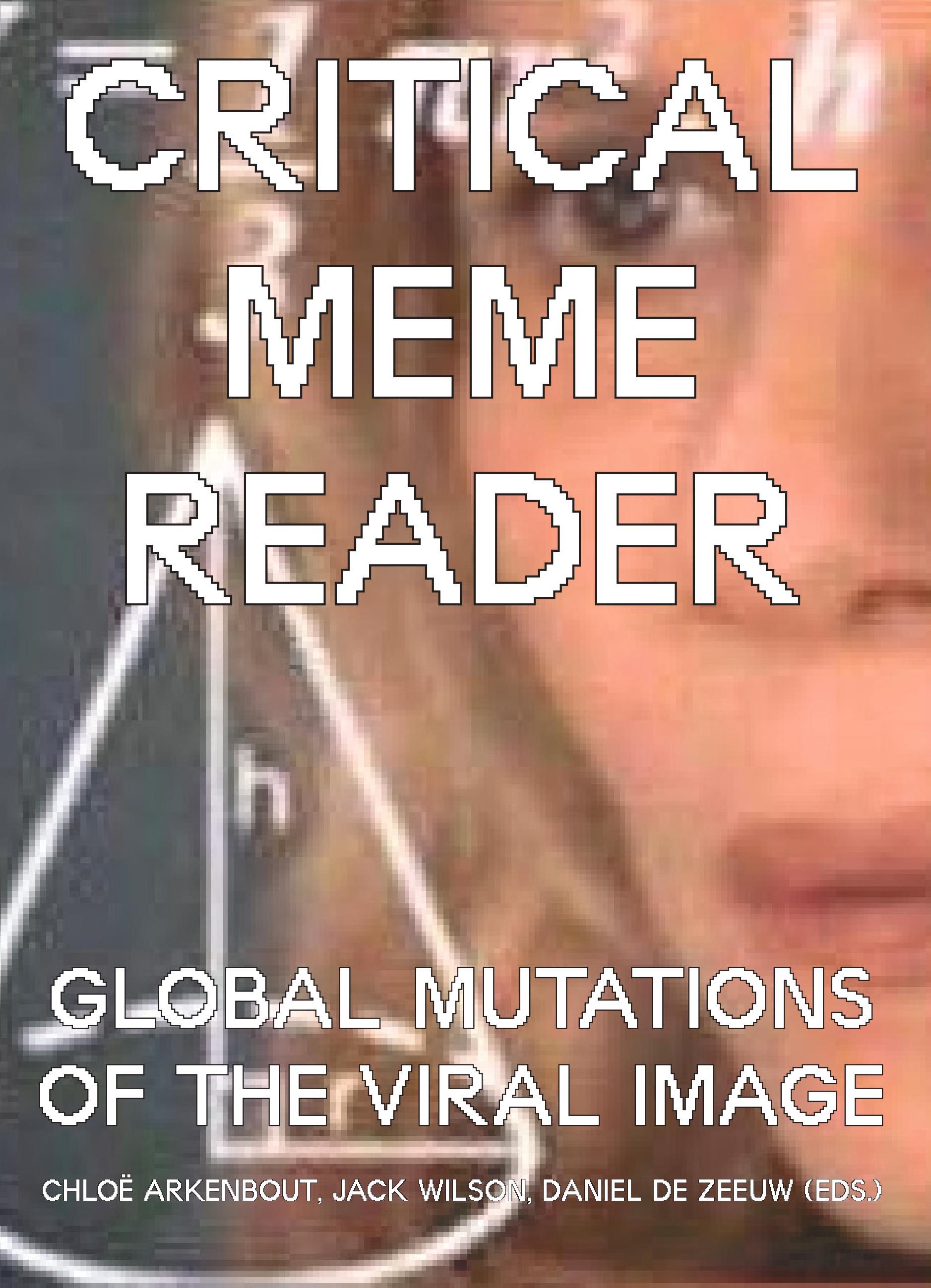
INC Reader
Critical Meme Reader: Global Mutations of the Viral Image
edited by Chloë Arkenbout, Jack Wilson and Daniel de Zeeuw | Amsterdam: Institute of Network Cultures, 2021 | Download PDF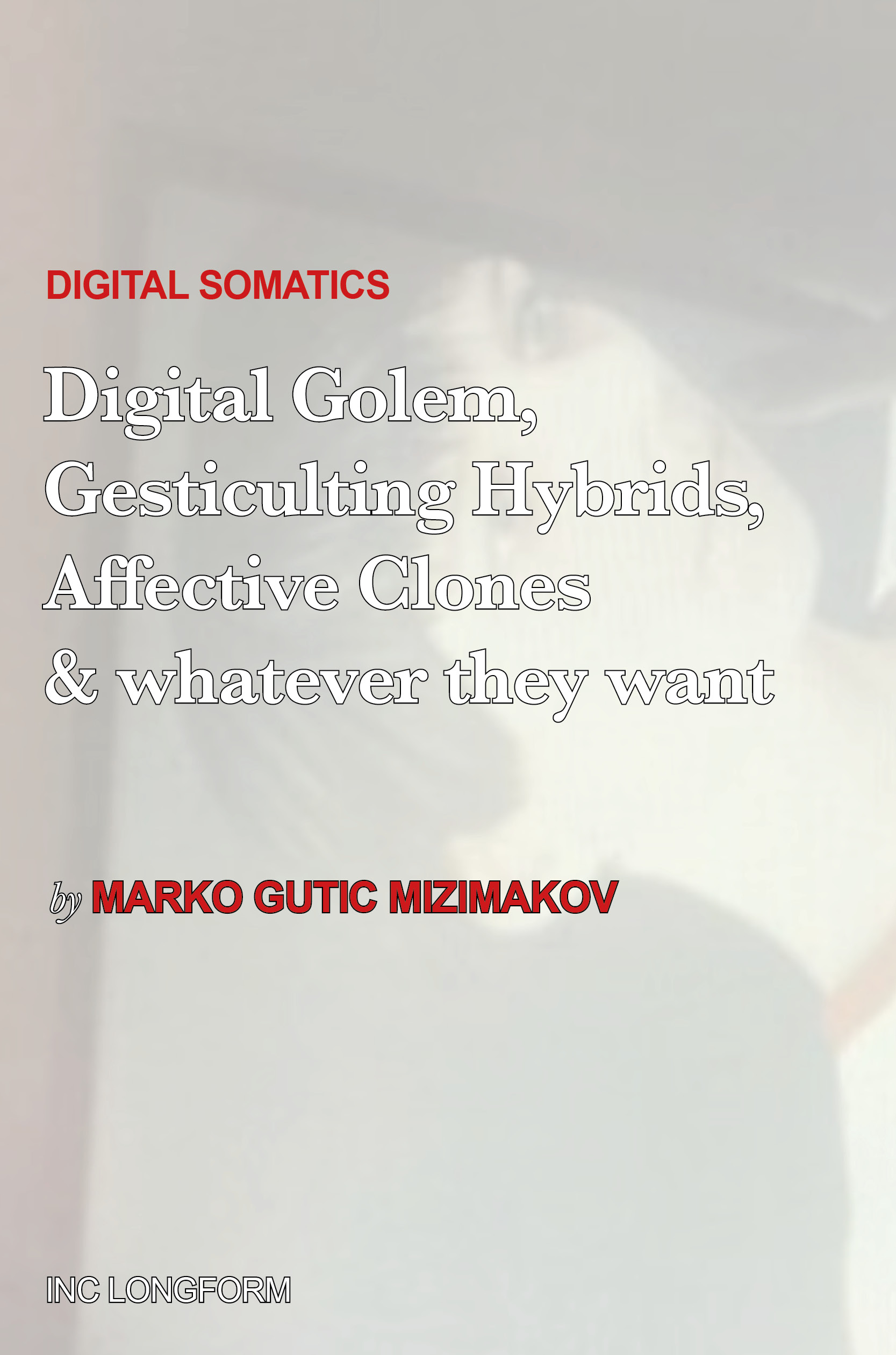
INC Longforms
Digital Golem, Gesticulating Hybrids, Affective Clones & whatever they want
by Marko Gutić Mižimakov | Amsterdam: Institute of Network Cultures, 2021 | Download PDF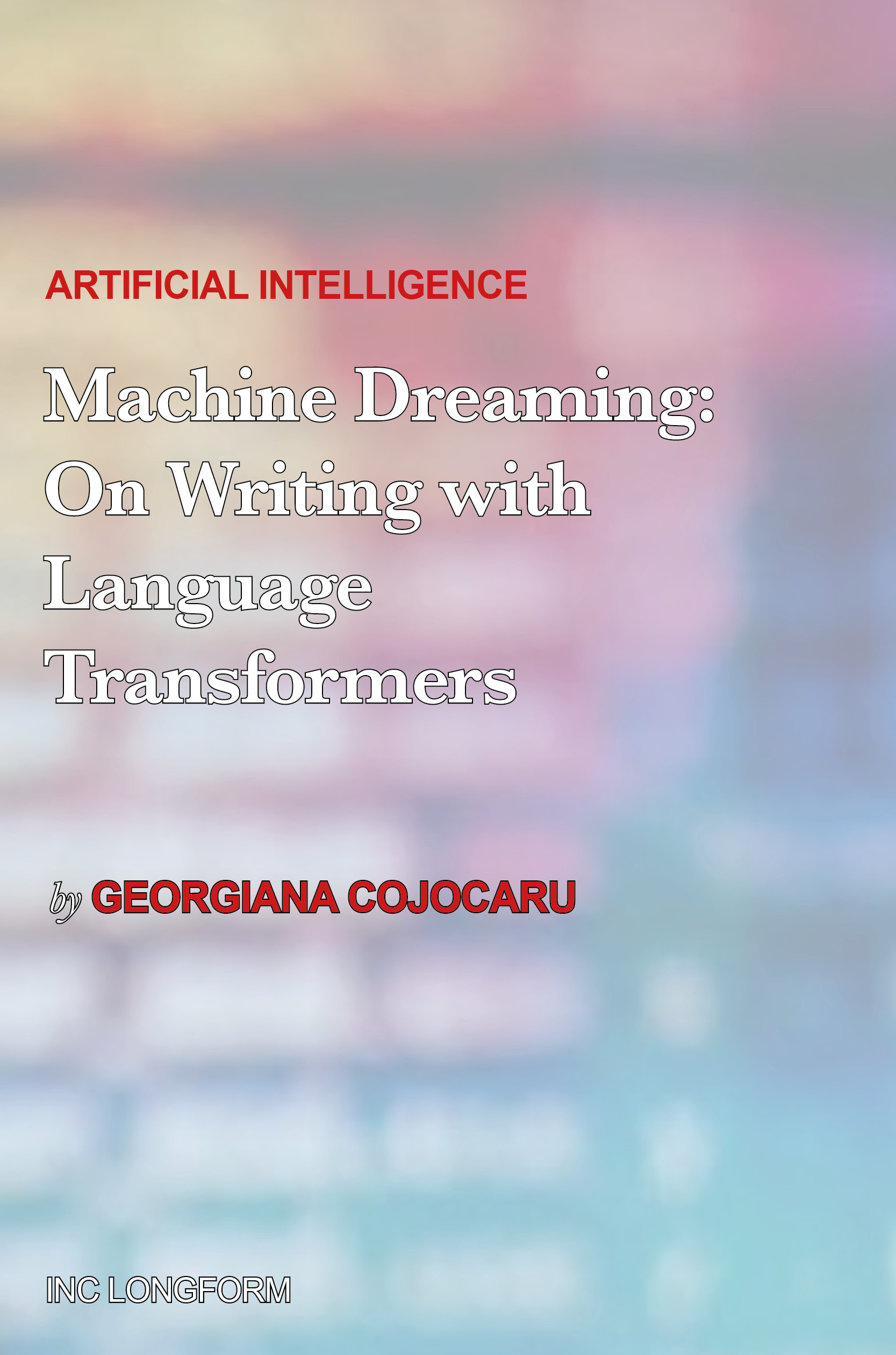
INC Longforms
by Georgiana Cojocaru | Amsterdam: Institute of Network Cultures, 2021 | Download PDF
INC Longforms
by Donatella Della Ratta | Amsterdam: Institute of Network Cultures, 2021 | Download PDF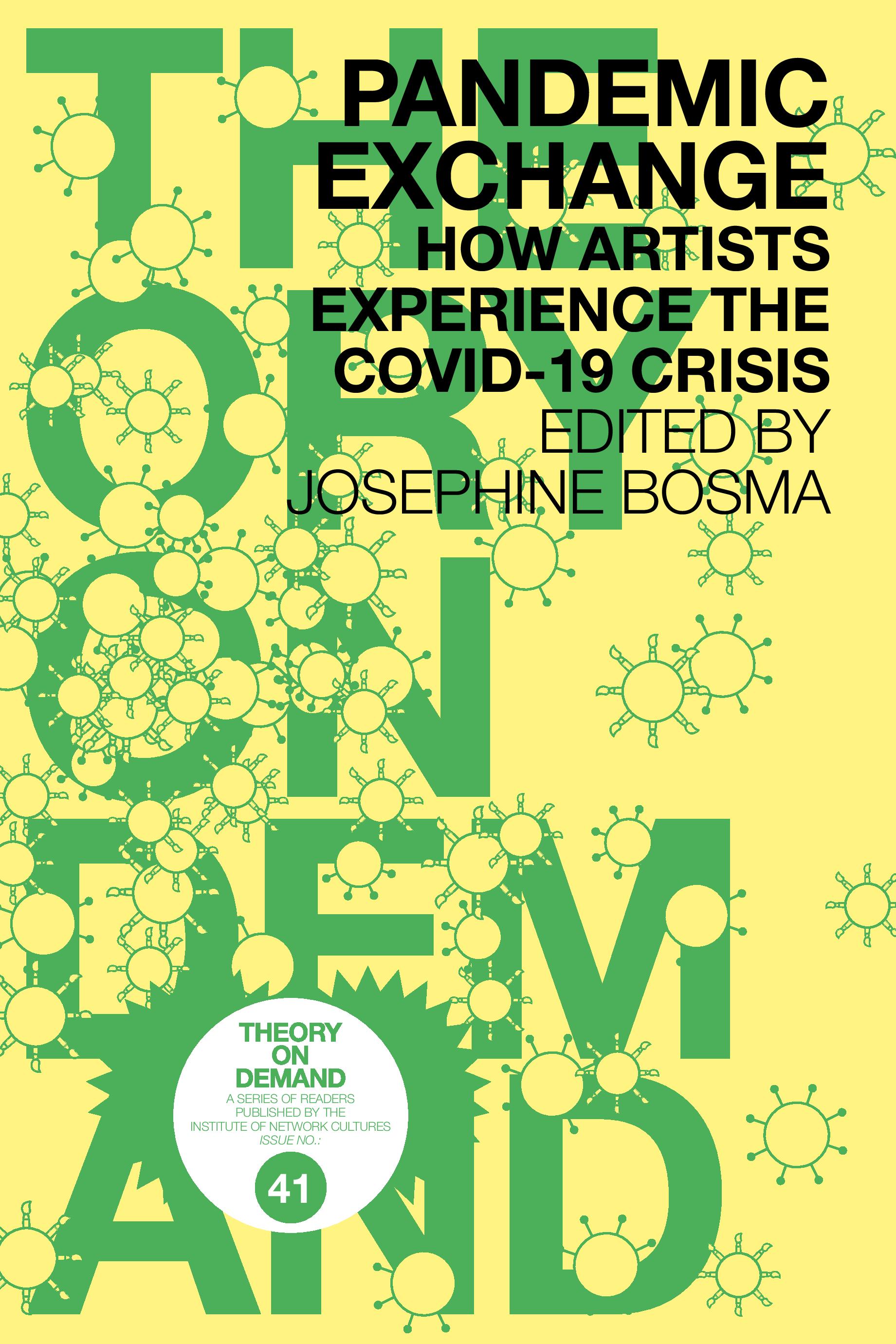
Theory on Demand
TOD #41: Pandemic Exchange: How Artists Experience the COVID-19 Crisis
Edited by Josephine Bosma | Amsterdam: Institute of Network Cultures, 2021 | Download PDF
INC Longforms
by Nina Sarnelle | Amsterdam: Institute of Network Cultures, 2021 | Download PDF
INC Longforms
by Marco Simonetti | Amsterdam: Institute of Network Cultures, 2021 | Download PDF
INC Longforms
by Sepp Eckenhaussen | Amsterdam: Institute of Network Cultuers, 2021 | Download PDF
Miscellanea
I Read Where I Am: Exploring New Information Cultures
edited by Mieke Gerritzen, Geert Lovink, and Minke Kampman | Amsterdam & Breda: Valiz, Graphic Design Museum & Institute of Network Cultures, 2011 | Download PDF
INC Longforms
Cats, Frogs and Cryptoartists: What if Auteur .jpgs Become a Luxury Good?
by Silvia Dal Dosso | Amsterdam: Institute of Network Cultures, 2021 | Download PDF
Theory on Demand
edited by Stefania Milan, Emiliano Treré and Silvia Masiero | Amsterdam: Institute of Network Cultures, 2021 | Download PDF
INC Longforms
by Davide Banis | Amsterdam: Institute of Network Cultures, 2021 | | Download PDF
INC Longforms
by Donatella Della Ratta | Amsterdam: Institute of Network Cultures, 2021 | Download PDF
Theory on Demand
TOD #39: Lives of Data: Essays on Computational Cultures from India
by Sandeep Mertia | Amsterdam: Institute of Network Cultures, 2020 | Download PDF
INC Longforms
Dérives in the Digital: Avant-garde Ideology in Hacker Culture
by Juli Laczkó | Amsterdam: Institute of Network Cultures, 2020 | Download PDF
Theory on Demand
TOD #38: Satellite Lifelines: Media, Art, Migration and the Crisis of Hospitality in Divided Cities
by Isabel Löfgren | Amsterdam: Institute of Network Cultures, 2020 |
Theory on Demand
TOD #37: From Opinions to Images: Essays Towards a Sociology of Affects
by Ulus S. Baker | Amsterdam: Institute of Network Cultures, 2020 | Download PDF
INC Longforms
by Maisa Imamović | Amsterdam: Institute of Network Cultures, 2020 | Download PDF
Miscellanea
by Ania Molenda and Inte Gloerich | Rotterdam and Amsterdam: Amateur Cities and the Institute of Network Cultures, 2020 | Download PDF
INC Longforms
Pulling the Virtual Wool over Your Eyes: An Essay on Virtual Fashion and Control
by Tom Robertson | Amsterdam: Institute of Network Cultures, 2020 | Download PDF
INC Longforms
The City Yet to Come: Transindividuation and Becoming in Future Queer Space
by Annie Howard | Amsterdam: Institute of Network Cultures, 2020 | Download PDF
INC Reader
Let’s Get Physical: A Sample of INC Longforms, 2015-2020
edited by Miriam Rasch | Amsterdam: Institute of Network Cultures, 2020 | Download PDF
INC Longforms
On the Basis of Face: Biometric Art as Critical Practice, Its History and Politics
by Devon Schiller | Amsterdam: Institute of Network Cultures, 2020 | Download PDF
INC Longforms
A Different Kind of Grief: Learning to Love Our Networks in a Time of Disconnection
by Shane Finan | Amsterdam: Institute of Network Cultures, 2020 | Download PDF
INC Reader
Video Vortex Reader #3: Inside the YouTube Decade
edited by Geert Lovink and Andreas Treske | Amsterdam: Institute of Network Cultures, 2020 | Download PDF
INC Zine, MoneyLab
Radical Care: Embracing Feminist Finance
Rotterdam and Amsterdam: Amateur Cities and the Institute of Network Cultures, 2020 | Download PDF
Making Public, Miscellanea
Here and Now? Explorations in Urgent Publishing
edited by Silvio Lorusso, Pia Pol, and Miriam Rasch | Amsterdam: Institute of Network Cultures, 2020 | Download PDF
Theory on Demand
by Patricia de Vries | Amsterdam: Institute of Network Cultures, 2020 | Download PDF
Theory on Demand
TOD #36: Listening into Others: An Ethnographic Exploration in Govindpuri
by Tripta Chandola | Amsterdam: Institute of Network Cultures, 2020 | Download PDF
Miscellanea
The Web. Coronavirus e web 2.0 : domande e risposte della filosofia
by Lorenza Saettone | Amsterdam: Institute of Network Cultures, 2020 | Download PDF
Geert Lovink's Books
van BILWET | Amsterdam: Uitgeverij Raket en Lont, 1985 | Download PDF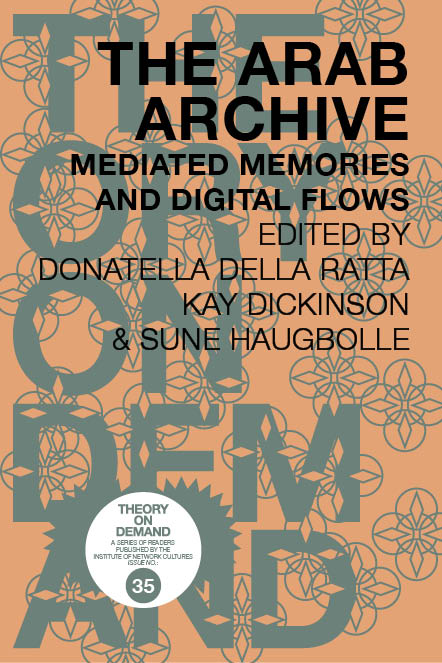
Theory on Demand
TOD #35: The Arab Archive: Mediated Memories and Digital Flows
edited by Donatella Della Ratta, Kay Dickinson, and Sune Haugbolle | Amsterdam: Institute of Network Cultures, 2020 | Download PDF
Miscellanea
README.first: Essays on film and technology / Essays over film en technologie
edited by Miriam Rasch and Jurian Strik | Amsterdam: Institute of Network Cultures and Plokta, 2020 | Download PDF
INC Longforms
The Cloud Sailor Diary: Shanghai Life in the Time of Coronavirus
by Tsukino T. Usagi | Amsterdam: Institute of Network Cultures, 2020 | Download PDF
Theory on Demand
By Ana Peraica | Amsterdam: Institute of Network Cultures, Amsterdam, 2019 | Download PDF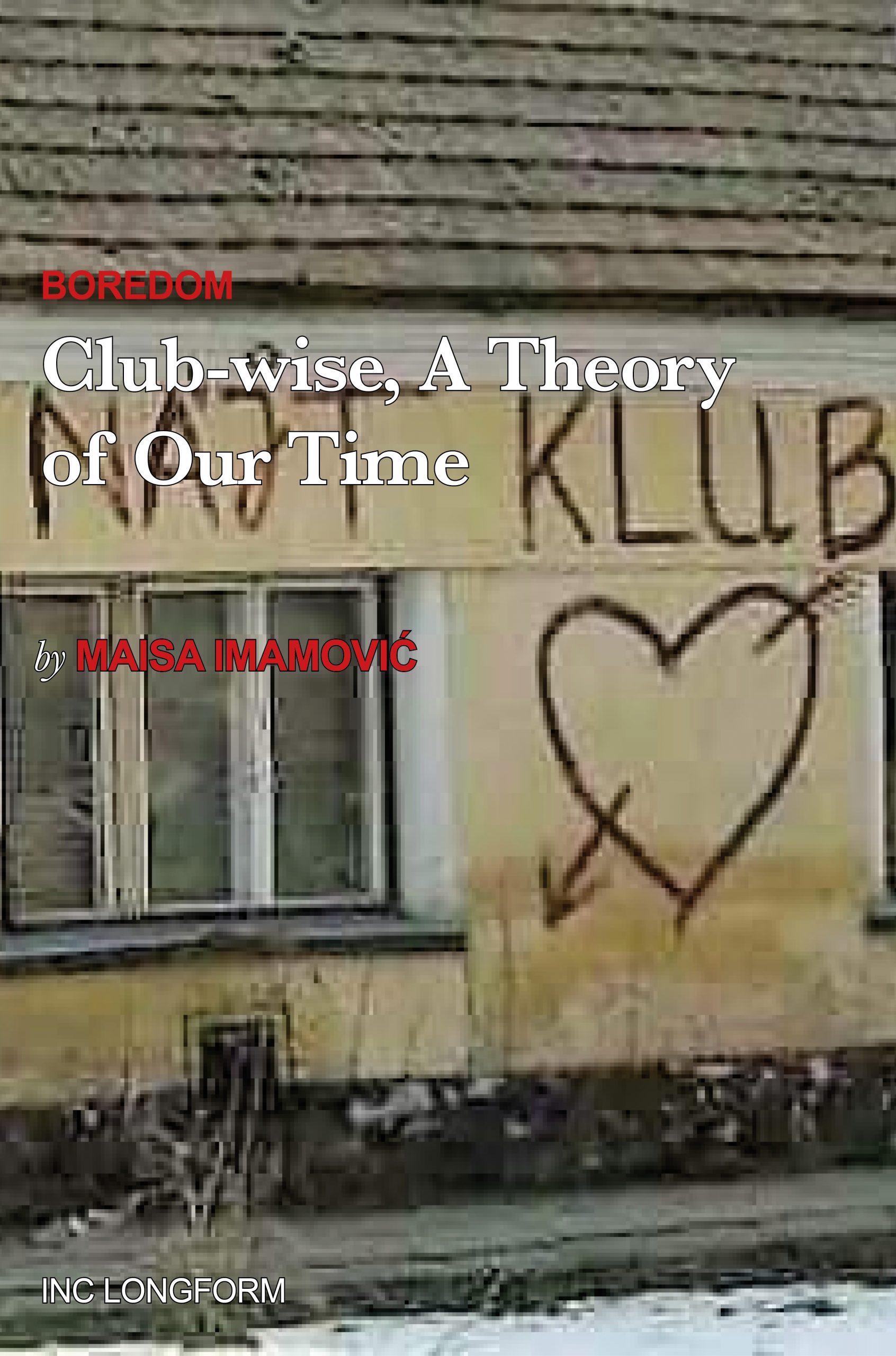
INC Longforms
Club-wise, A Theory of Our Time
by Maisa Imamović IMAMOVIĆ | Amsterdam: Institute of Network Cultures, 2019 | Download PDF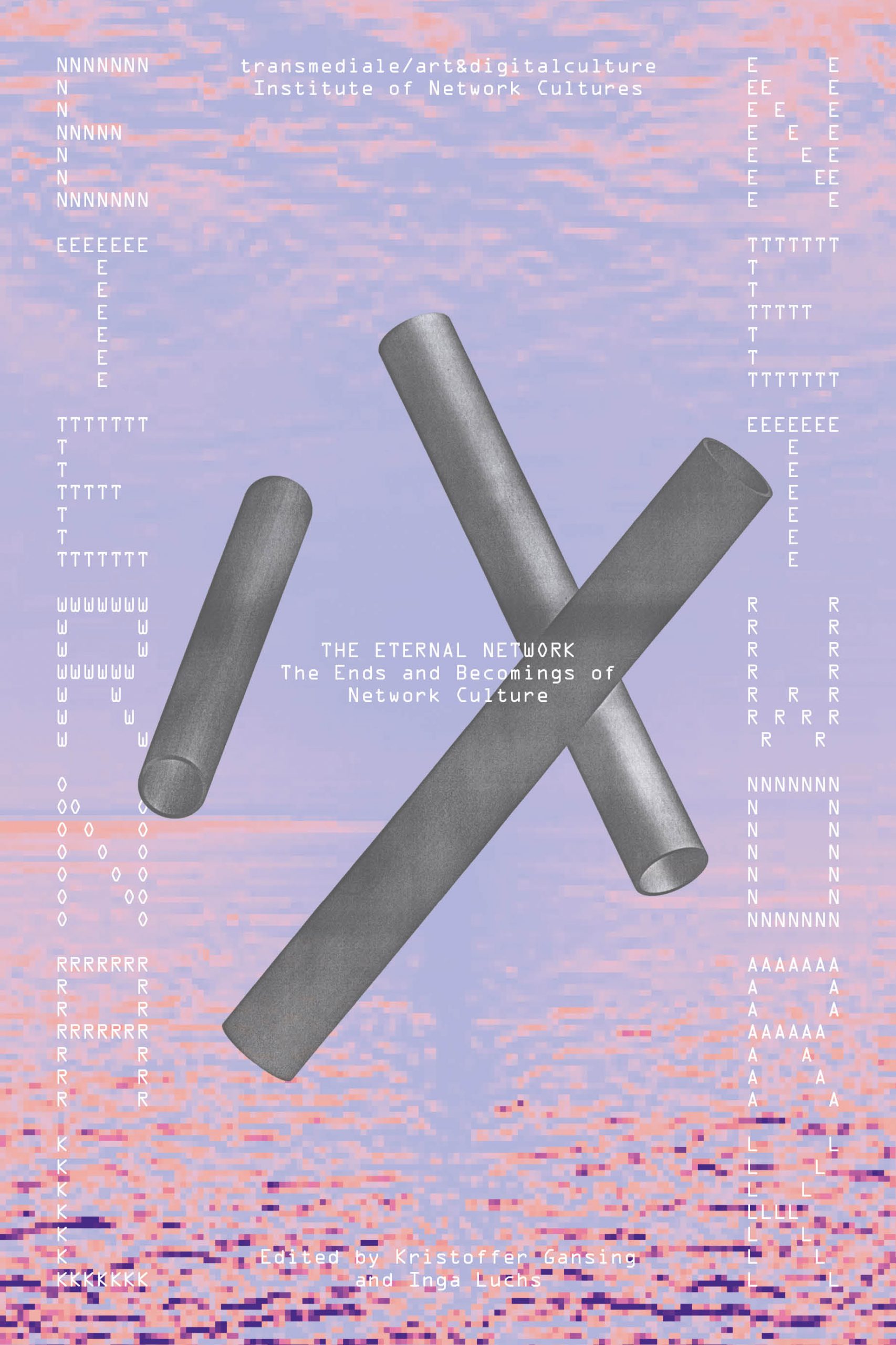
Miscellanea
The Eternal Network: The Ends and Becomings of Network Culture
Kristoffer Gansing & Inga Luchs (eds) | Amsterdam & Berlin: Institute of Network Cultures and transmediale | Download PDF
Deep Pockets
Scenes of Independence: Cultural Ruptures in Zagreb (1991-2019)
by Sepp Eckenhaussen | Amsterdam: Institute of Network Culture, 2020 | Download PDF
Conference Report
MoneyLab #7: Outside of Finance
Amsterdam: Institute of Network Cultures, 2019 | Download PDF
Miscellanea
It Happened on Tinder: Reflections and Studies on Internet-Infused Dating
Amir Hetsroni & Meriç Tuncez (eds) | Amsterdam: Institute of Network Cultures, 2019 | Download PDF
Theory on Demand
TOD #32: Networked Content Analysis: The Case of Climate change
by Sabine Niederer | Foreword by Klaus Krippendorff | Amsterdam: Institute of Network Cultures, 2019 | Download PDF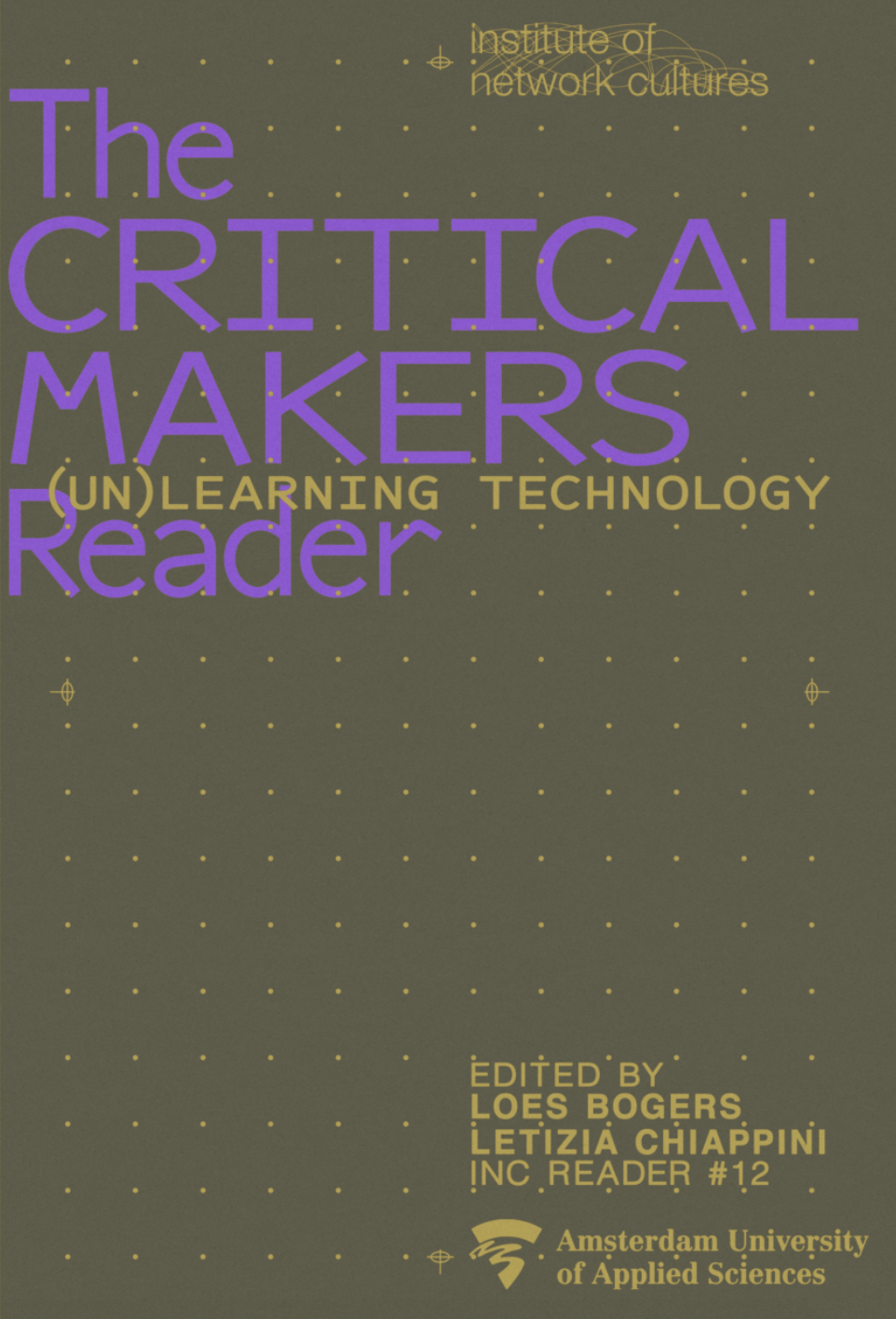
INC Reader
The Critical Makers Reader: (Un)learning Technology
Loes Bogers, Letizia Chiappini (eds) | Amsterdam: Institute of Network Cultures, 2019 | Download PDF
Geert Lovink's Books
El Abismo de las Redes Sociales: Culturas Críticas de Internet y la Fuerza de la Negación
by Geert Lovink | Mexico City: Centro de Culturo Digital, 2020 | Download PDF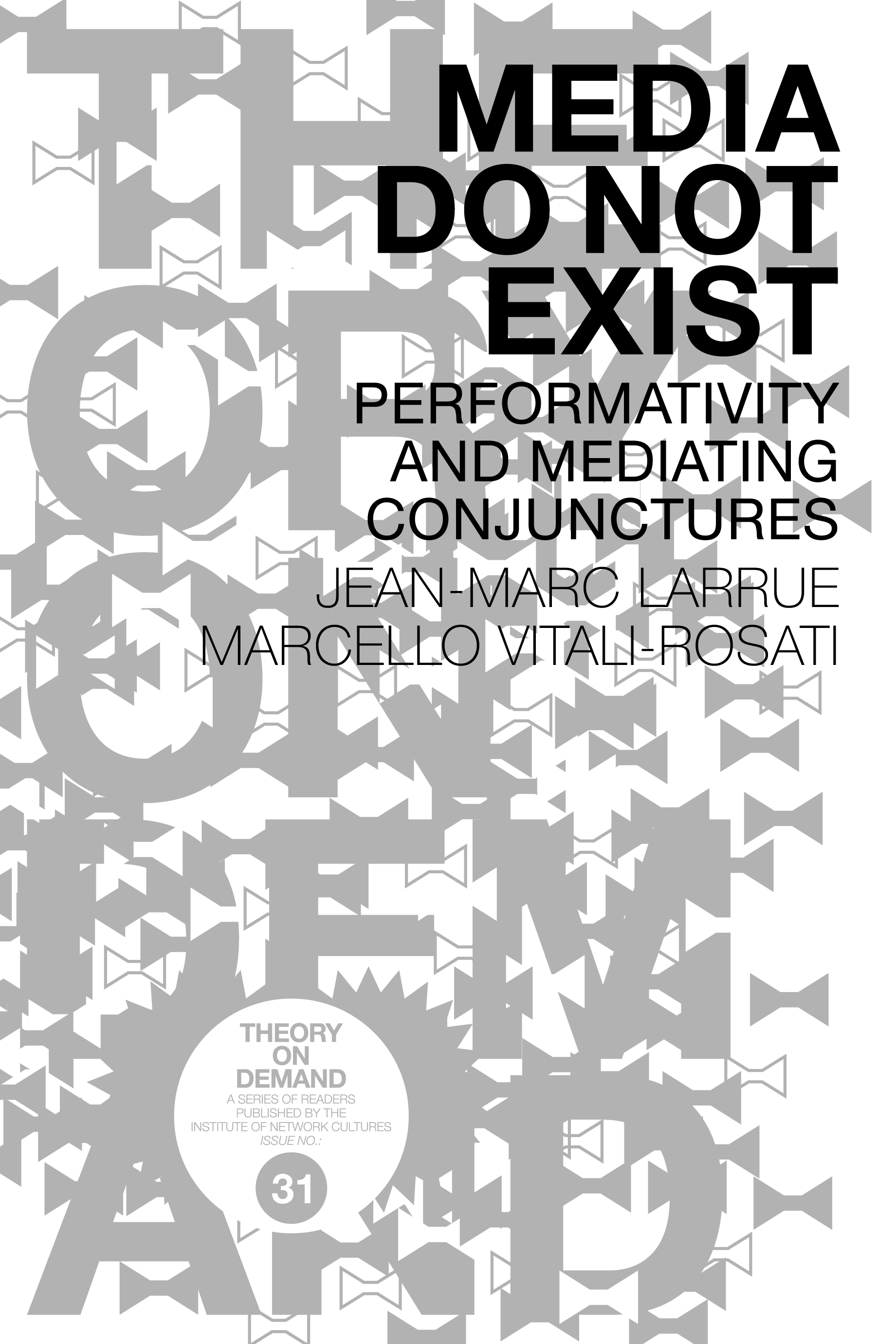
Theory on Demand
by Jean-Marc Larrue & Marcello Vitali-Rosati | Amsterdam: Institute of Network Cultures, 2019 | Download PDF
INC Longforms
Harness the Power of a Fluid Identity with 3 Simple Strategies
by Marloes de Valk | Amsterdam: Institute of Network Cultures, 2019 | Download PDF
Geert Lovink's Books
Sad by Design: On Platform Nihilsm
by Geert Lovink | London: Pluto Press, 2019 | Buy the book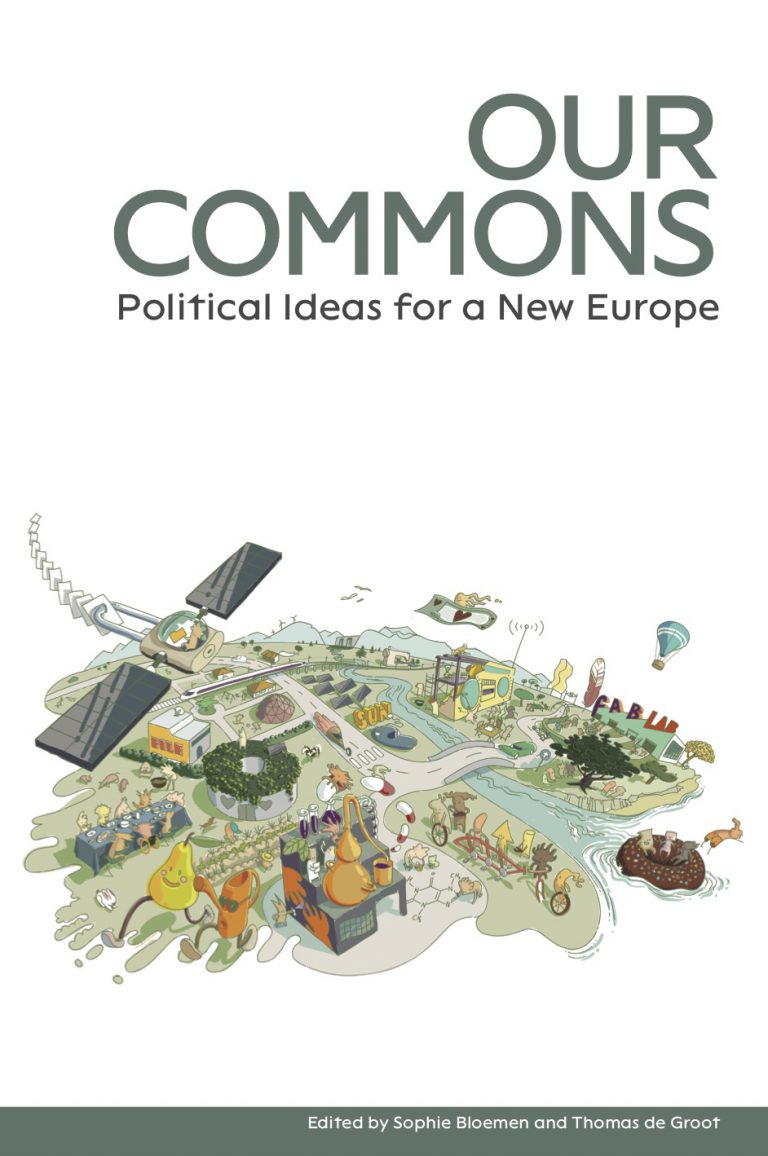
Miscellanea
Our Commons: Political Ideas for a New Europe
Sophie Bloemen & Thomas de Groot (eds) | Amsterdam: Institute of Network Cultures and the Commons Network | Download PDF
Geert Lovink's Books, Miscellanea
Made in China, Designed in California, Criticised in Europe: Amsterdam Design Manifesto
by Mieke Gerritzen & Geert Lovink | Amsterdam: The Image Society, 2019 | Download PDF
INC Longforms
The Controversial Archive: Negotiating Horror Images in Syria
by Enrico De Angelis | Amsterdam: Institute of Network Cultures, 2019 | Download PDF
Miscellanea
Flying Money 2018: Investigating Illicit Financial Flows in the City
by Inte Gloerich, Judith Hart, Geert Lovink, Caroline Nevejan and Ilse Verkerk | Amsterdam: Institute of Network Cultures, 2019 | Download PDF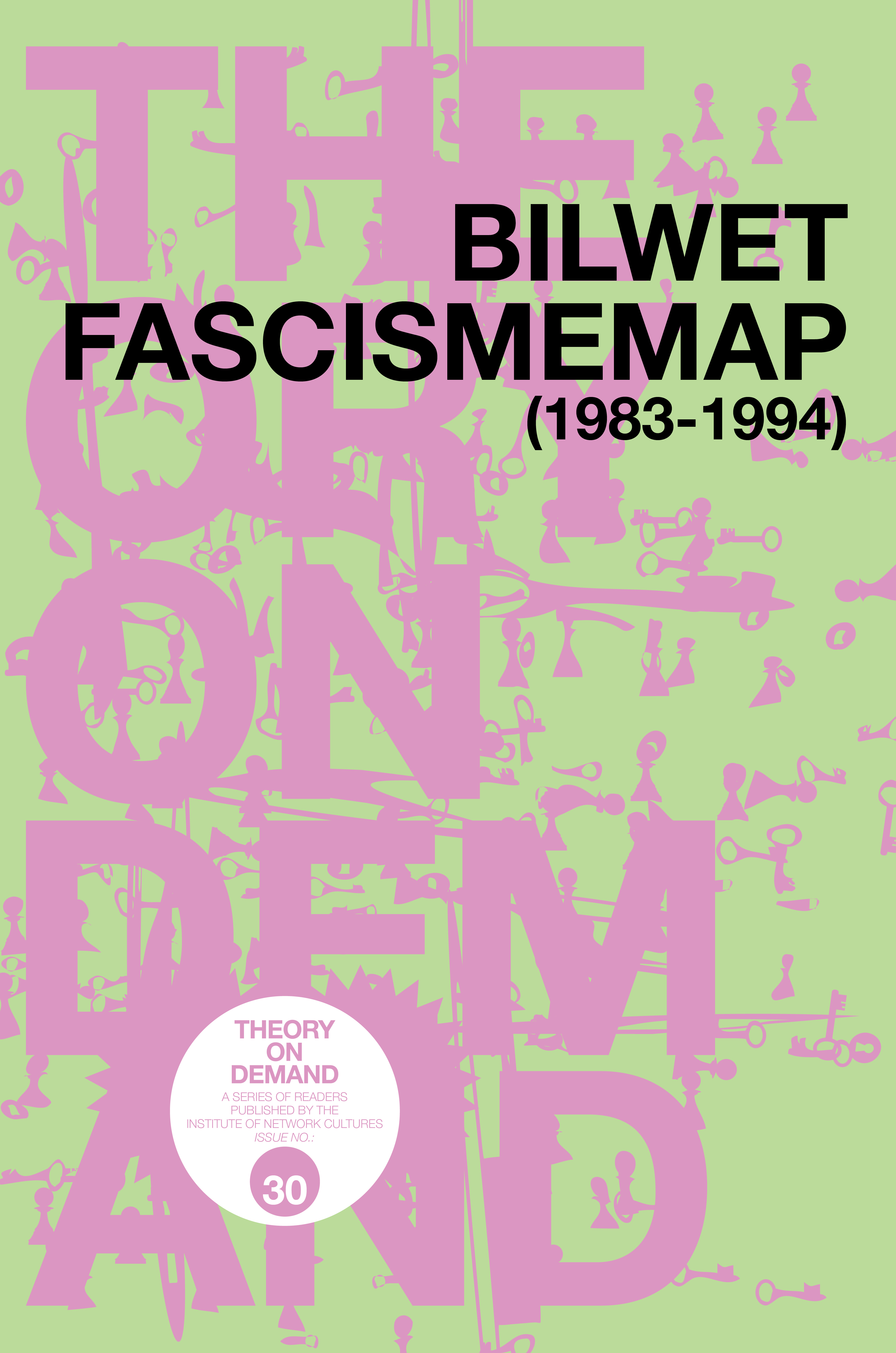
Theory on Demand
TOD #30: Bilwet Fascismemap (1983-1994)
by Sepp Eckenhaussen | Amsterdam: Institute of Network Cultures, 2019 | Download PDF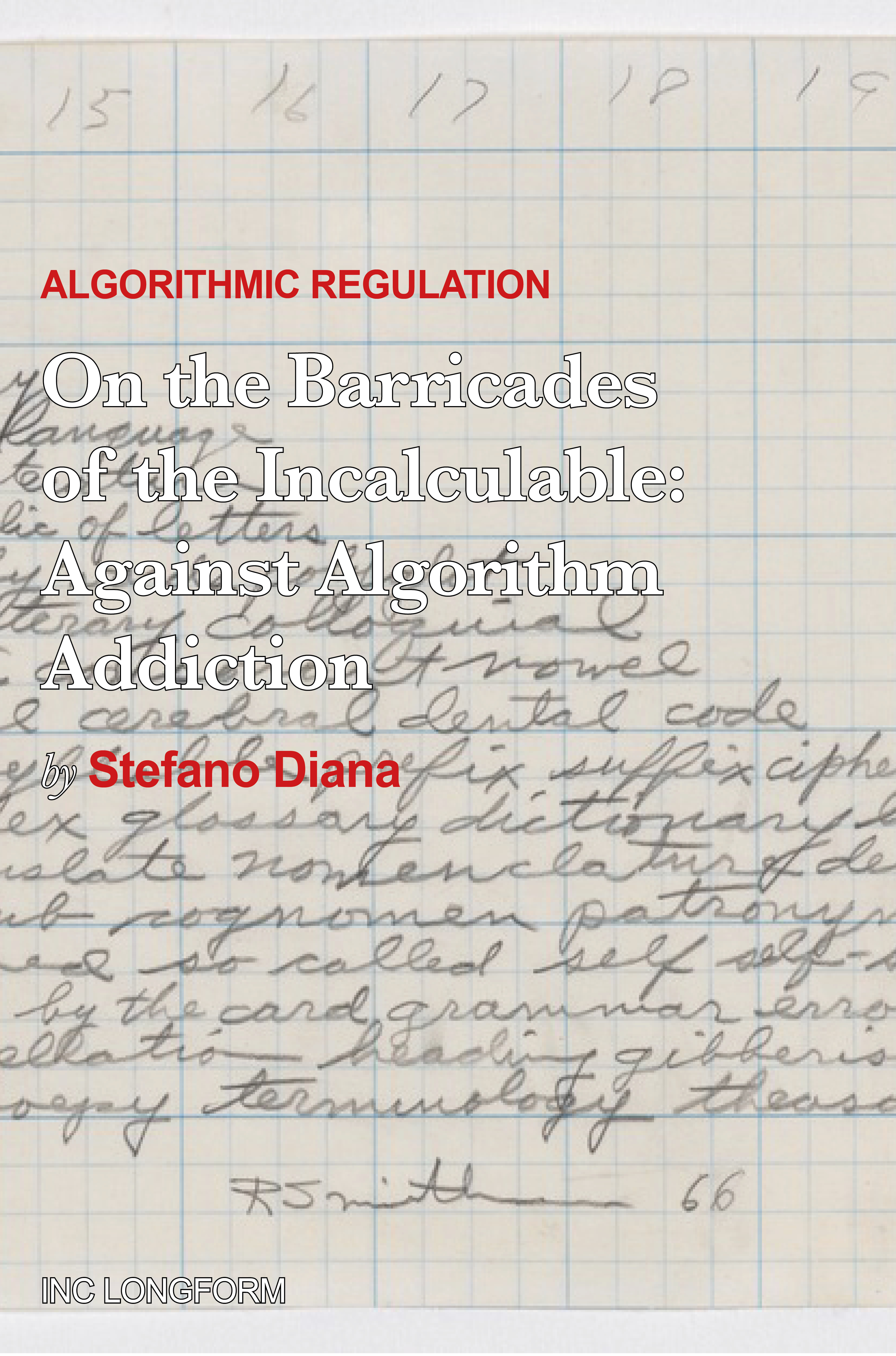
INC Longforms
On the Barricades of the Incalculable: Against Algorithm Addiction
by Stefano Diana | Amsterdam: Institute of Network Cultures, 2019 | Download PDF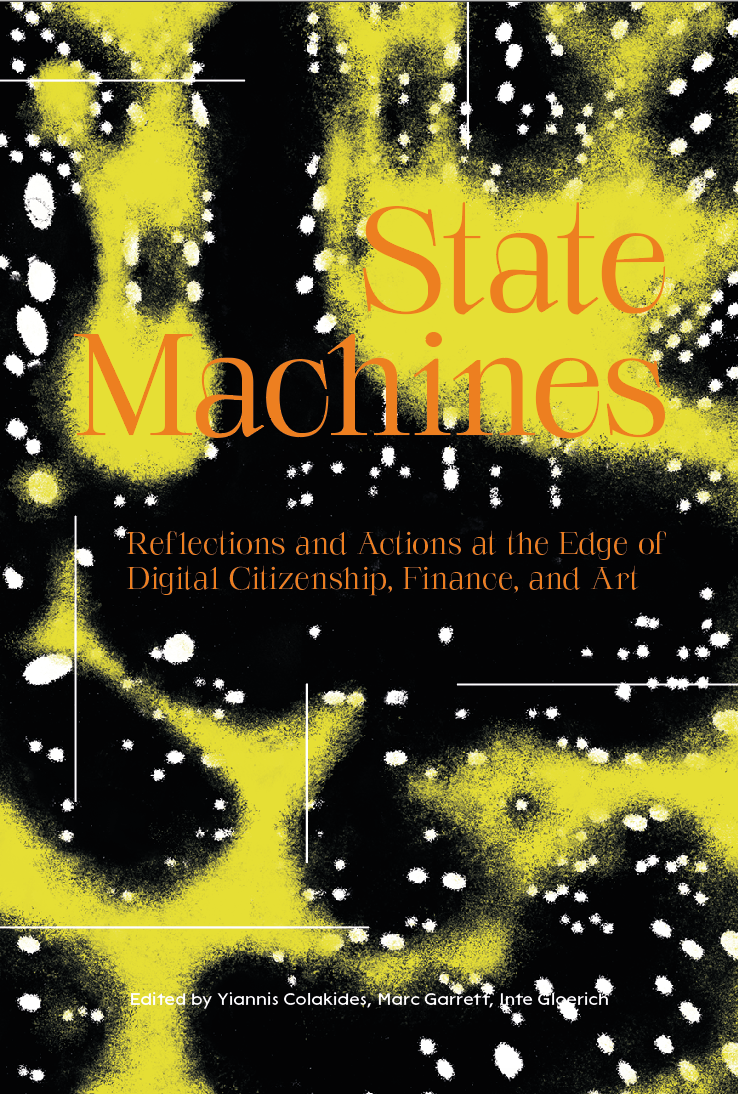
Miscellanea
State Machines: Reflections and Actions at the Edge of Digital Citizenship, Finance, and Art
by Yiannis Colakides, Marc Garrett and Inte Gloerich | Amsterdam: Institute of Network Cultures, 2019 | Download PDF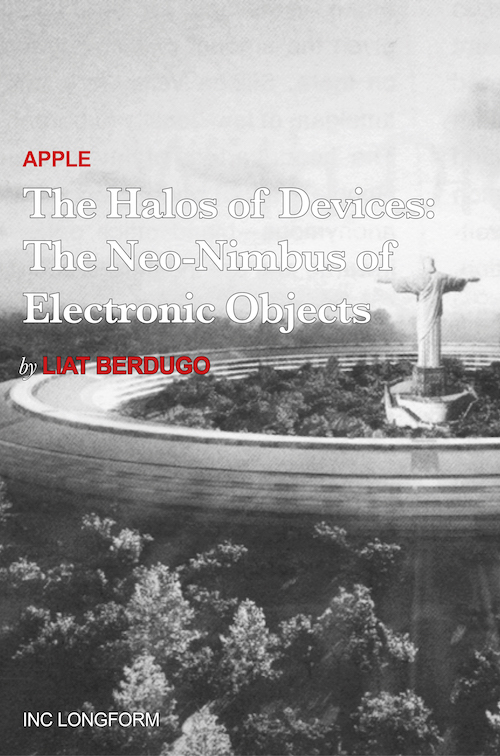
INC Longforms
The Halos of Devices: The Neo-Nimbus of Electronic Objects
by Liat Berdugo | Amsterdam: Institute of Network Cultures, 2019 | Download PDF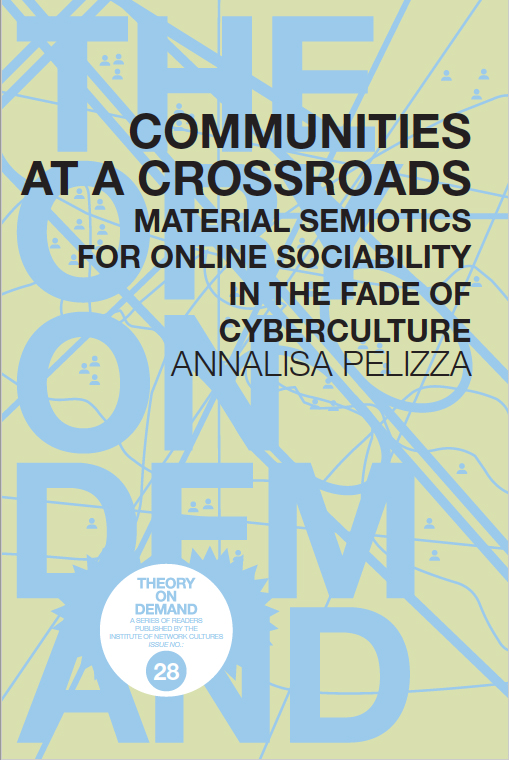
Theory on Demand
TOD #28: Communities at a Crossroads
by Annalisa Pelizza | Amsterdam: Institute of Network Cultures, 2018 | Download PDF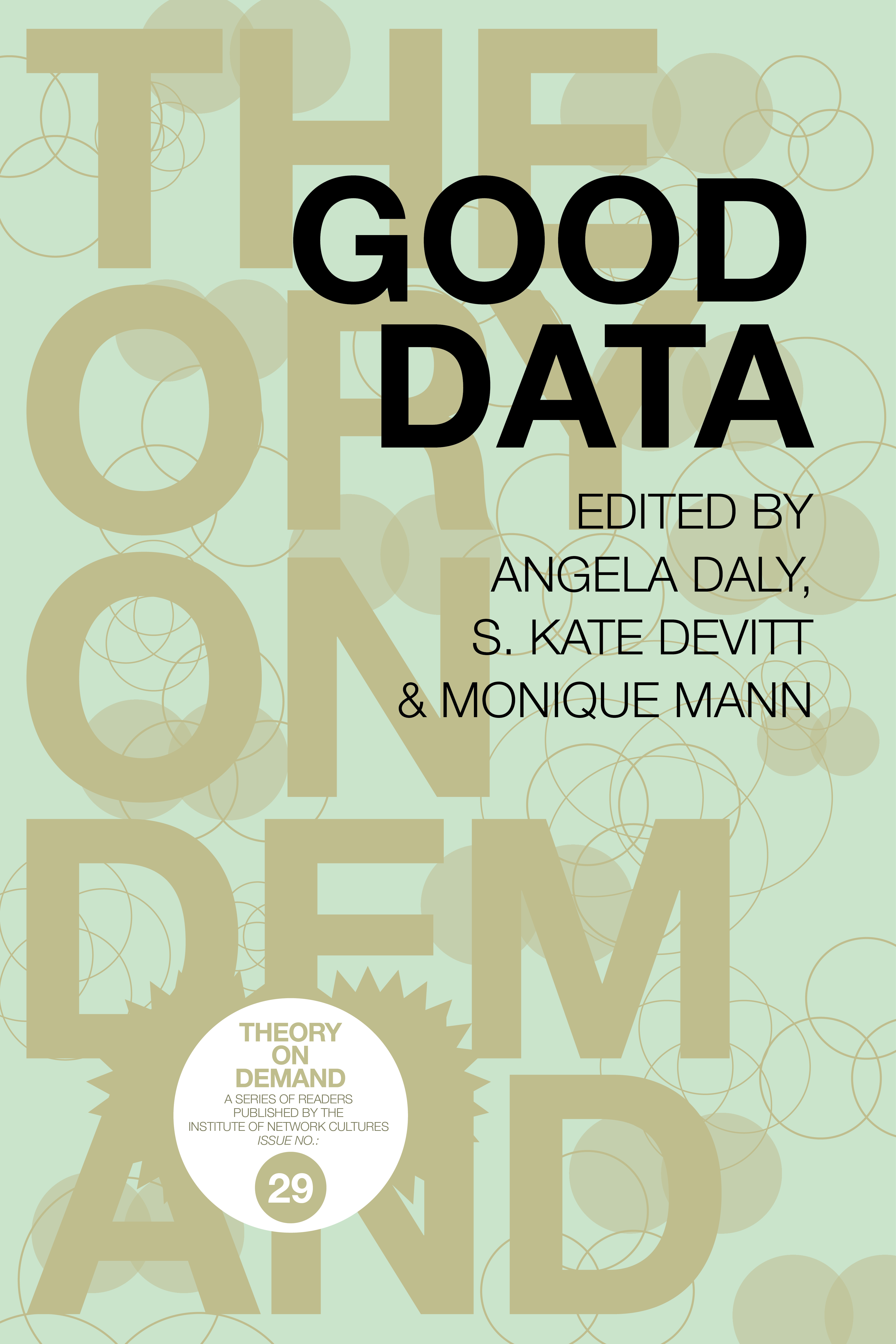
Theory on Demand
by Angela Daly, S. Kate Devitt and Monique Mann | Amsterdam: Institute of Network Cultures, 2019 | Download PDF
INC Longforms
by Maisa Imamović | Amsterdam: Institute of Network Cultures, 2019 | Download PDF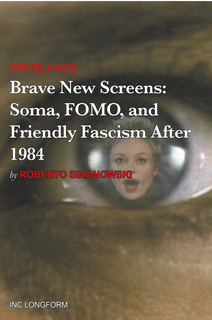
INC Longforms
Brave New Screens: Soma, FOMO, and Friendly Fascism after 1984
by Roberto Simanowski | Amsterdam: Institute of Network Cultures, 2018 | Download PDF
Miscellanea
by Marialaura Ghidini and Tara Kelton | Institute of Network Cultures, Amsterdam, in collaboration with The Centre for Internet and Society, Bangalore, 2018 | Download PDF
INC Longforms
Execute Order 66: How Star Wars Memes Became Indebted to Fascist Dictatorship
by Pim van den Berg | Amsterdam: Institute of Network Cultures, 2018 | Download PDF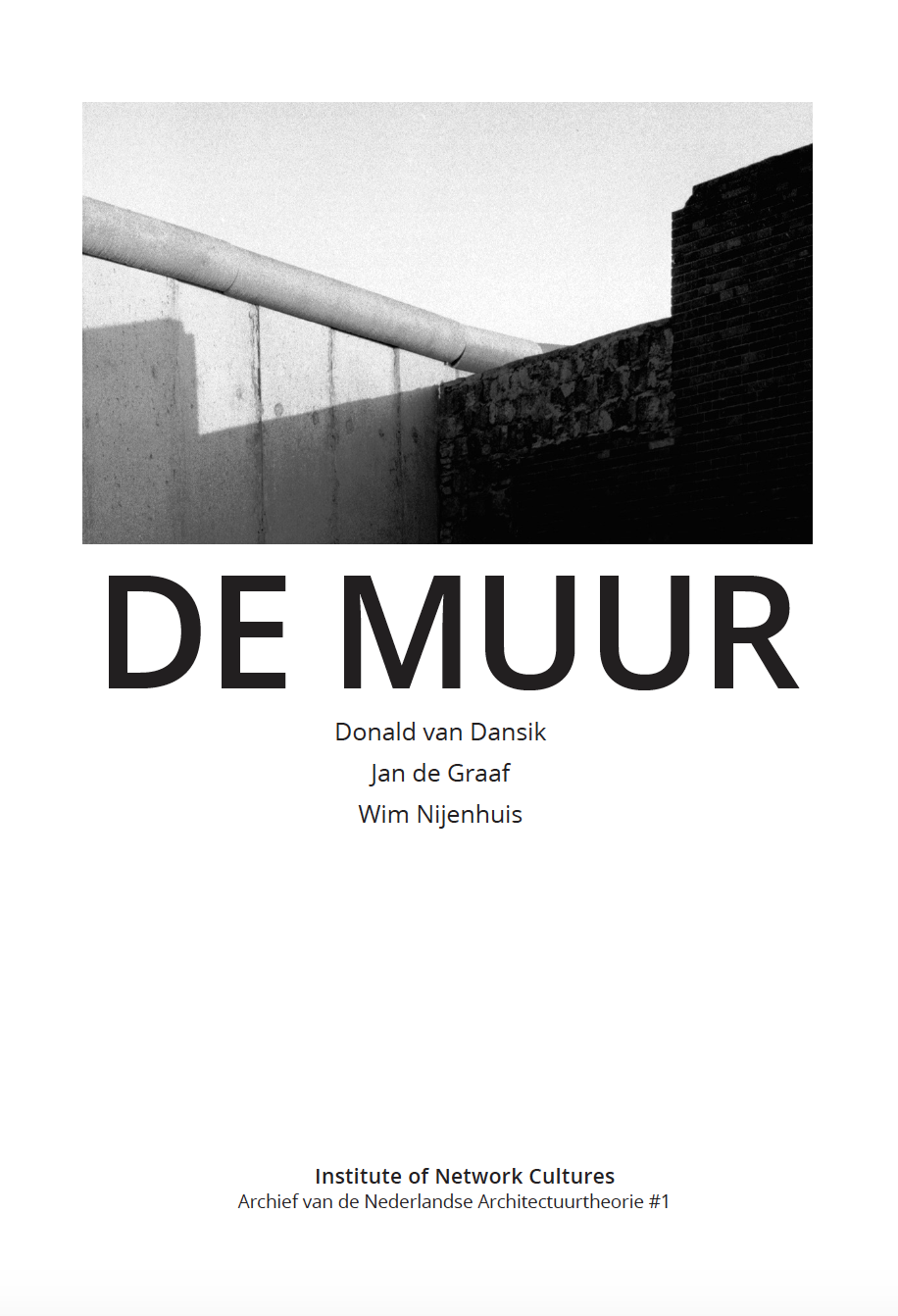
Miscellanea
by Donald van Dansik, Jan de Graaf en Wim Nijenhuis | Rotterdam: Uitgeverij 010, 1984 | Download PDF
INC Longforms
Res Publica ex Machina: On Neocybernetic Governance and the End of Politics
by Felix Maschewski and Anna-Verena Nosthoff | Amsterdam: Institute of Network Cultures, 2018 | Download PDF
INC Longforms
Proof-of-Transaction: The Materiality of Cryptocurrency
by Tim Brouwer | Amsterdam: Institute of Network Cultures, 2018 | Download PDF
Miscellanea
by Magdalena Taube | Amsterdam: Institute of Network Cultures, 2018 | Download PDF
INC Longforms
‘That Others May Die’: Autonomous Military Technology and the Changing Ethos on the Battlefield
by Gustavo Velho Diogo | Amsterdam: Institute of Network Cultures, 2018 | Download PDF
Geert Lovink's Books
Organization after Social Media
by Geert Lovink and Ned Rossiter | Minor Compositions, 2018 | Download PDF
Theory on Demand
TOD #27: Videoblogging Before YouTube
by Trine Bjørkmann Berry | Amsterdam: Institute of Network Cultures, 2018 | Download PDF
Deep Pockets
Deep Pockets #2: Shadowbook: Writing Through the Digital 2014-2018
by Miriam Rasch | Amsterdam: Institute of Network Cultures, 2018 | Download PDF
INC Longforms
by Bennet Etsiwah | Amsterdam: Institute of Network Cultures, 2018 | Download PDF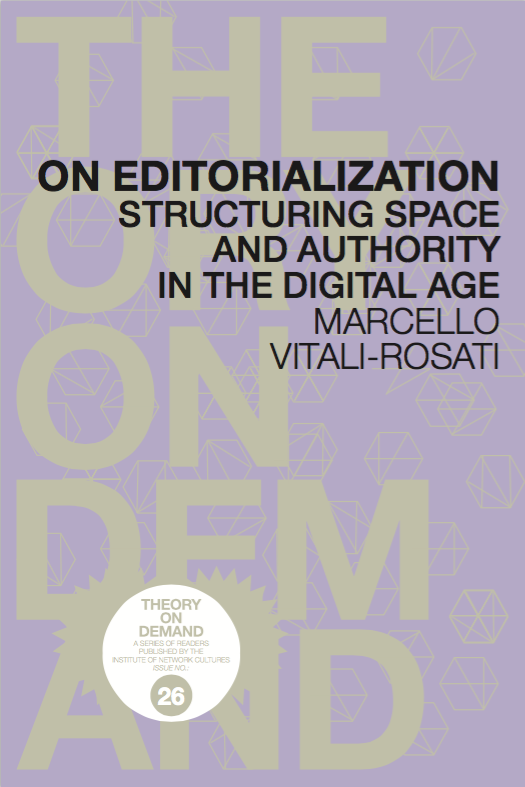
Theory on Demand
TOD #26: On Editorialization: Structuring Space and Authority in the Digital Age
by Marcello Vitali-Rosati | Amsterdam: Institute of Network Cultures, 2018 | Download PDF
INC Longforms
Fictiocracy: Media and Politics in the Age of Storytelling
by Davide Banis | Amsterdam: Institute of Network Cultures, 2018 | Download PDF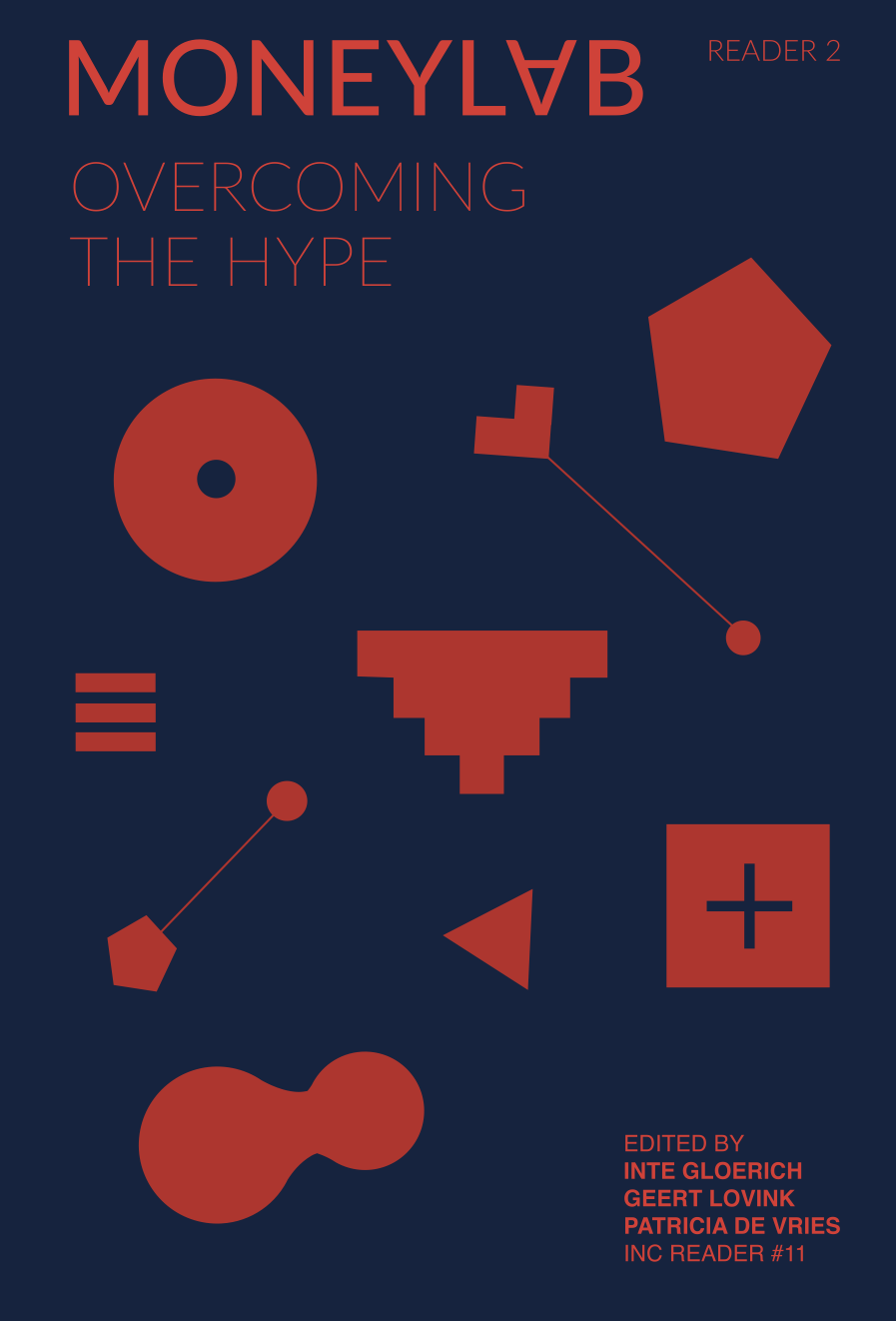
INC Reader
MoneyLab Reader 2: Overcoming the Hype
by Inte Gloerich, Geert Lovink and Patricia de Vries | Amsterdam: Institute of Network Cultures, 2018 | Download PDF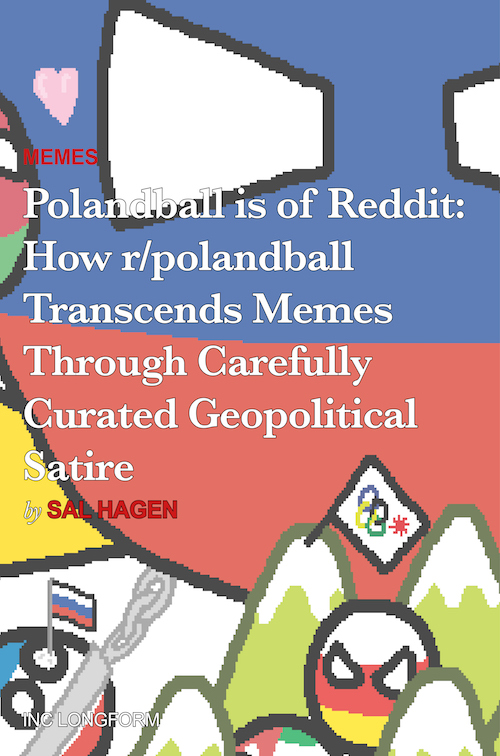
INC Longforms
by Sal Hagen | Amsterdam: Institute of Network Cultures, 2017 | Download PDF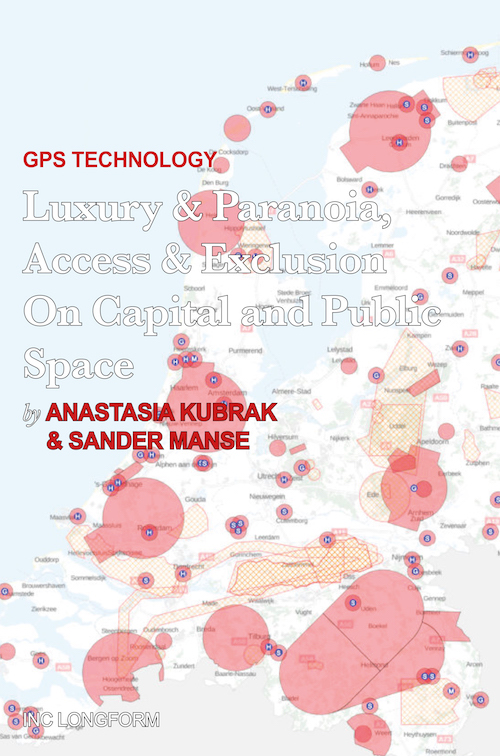
INC Longforms
Luxury & Paranoia, Access & Exclusion: On Capital and Public Space
by Anastasia Kubrak and Sander Manse | Amsterdam: Institute of Network Cultures, 2017 | Download PDF
Theory on Demand
TOD #25: General Theory of the Precariat
by Alex Foti | Amsterdam: Institute of Network Cultures, 2017 | Download PDF
Zero Infinite Podcast
Zero Infinite #4: The Online Self
by Ana Peraica, Wendy Chun, Rebecca Stein, Inte Gloerich, Leonieke van Dipten and Miriam Rasch | Amsterdam: Institute of Network Cultures Zero Infinite podcast, 2017 | Download PDF
Miscellanea
The Riddle of the Real City or the Dark Knowledge of Urbanism
by Wim Nijenhuis | Amsterdam: 1001 Publishers and Institute of Network Cultures, 2017 | Download PDF
INC Longforms
by Miriam Rasch | Amsterdam: Institute of Network Cultures, 2017 | Download PDF
INC Longforms
Ditigal Desolation: Amateurs, Aesthetics, and the Ageing of Web’s Architecture
by Tatjana Seitz | Amsterdam: Institute of Network Cultures, 2017 | Download PDF
INC Longforms
Choose How You Feel: You Have Seven Options
by Ruben van de Ven | Amsterdam: Institute of Network Cultures, 2017 | Download PDF
INC Longforms
On Socialist Cybernetics, Accelarationist Dreams, and Tiqqun’s Nightmares
by Paul Buckermann | Amsterdam: Institute of Network Cultures, 2016 | Download PDF
INC Longforms
Digital Comics: Harder, Better, Faster, Stronger?
by Josip Batinic | Amsterdam: Institute of Network Cultures, 2016 | Download PDF
INC Longforms
Google Earth, Surveillance, and the Power of Digital Cartography
by Gustavo Velho Diogo | Amsterdam: Institute of Network Cultures, 2016 | Download PDF
INC Longforms
by Agnieszka Zimolag | Amsterdam: Institute of Network Cultures, 2016 | Download PDF
INC Longforms
The Art of Flex: Network Lessons from Post Internet Art
by Robin Lynch | Amsterdam: Institute of Network Cultures, 2016 | Download PDF
INC Longforms
by Inte Gloerich, Rose Rowson, Rebecca Cachia, Susan Clandillon, and Cristel Kolopaking | Amsterdam: Institute of Network Cultures, 2016 | Download PDF
INC Longforms
Corporate Social Networking Platforms as Cognitive Factories
by Lidia Pereira | Amsterdam: Institute of Network Cultures, 2016 | Download PDF
INC Longforms
by Jeroen van Honk | Amsterdam: Institute of Network Cultures, 2016 | Download PDF
INC Longforms
by Nikos Voyiatzis | Amsterdam: Institute of Network Cultures, 2015 | Download PDF
INC Longforms
I, For One, Welcome Our New (Google) Overlords
by Lasse van den Bosch Christensen | Amsterdam: Institute of Network Cultures, 2015 | Download PDF
INC Longforms
Het Beeld van de Wereld / Het Wereldbeeld van Google
by Nadine Roestenburg | Amsterdam: Institute of Network Cultures, 2015 | Download PDF
Theory on Demand
TOD #24: Culture of the Selfie: Self-Representation in Contemporary Visual Culture
by Ana Peraica | Amsterdam: Institute of Network Cultures, 2017 | Download PDF
Zero Infinite Podcast
Zero Infinite #3 – Listing Technology
by Miriam Rasch, Geert Lovink, Kenneth Werbin and Nikos Voyiatzis | Amsterdam: Institute of Network Cultures Zero Infinite podcast, 2017 | Download PDF
Theory on Demand
TOD #23: +KAOS: Ten Years of Hacking and Media Activism
by Autistici/Inventati (A/I), edited by Laura Beritelli | Amsterdam: Institute of Network Cultures, 2017 | Download PDF
Conference Report
Video Vortex XI Kochi 2017 Conference Report
by the School of New Humanities & Design, Srishti Institute of Art, Design & Technology in collaboration with the University of Bilkent, Ankara, and the Institute of Network Cultures, Amsterdam | Download PDF
Zero Infinite Podcast
by Miriam Rasch, Leonieke van Dipten, Janneke Adema, Michael Dieter, Morehshin Allahyari and Daniel Rourke | Amsterdam: Institute of Network Cultures, 2017 |
Miscellanea
Filorete Flock: A New Form of Network in an Emergent Democracy
By Isabel De Maurrisens | Amsterdam: Institute of Network Cultures, 2017 | Download PDF
Theory on Demand
TOD #22: The List Serves: Population Control and Power
by Kenneth C. Werbin | Amsterdam: Institute of Network Cultures, 2017 | Download PDF
Zero Infinite Podcast
by Miriam Rasch, Max Dovey, Inte Gloerich, Leonieke van Dipten, Alex Foti, Baruch Gottlieb, Henry Warwick, Mark Fisher, Ania Molenda and Cristina Ampatzidou | Amsterdam: Institute of Network Cultures Zero Infinite podcast, 2017 |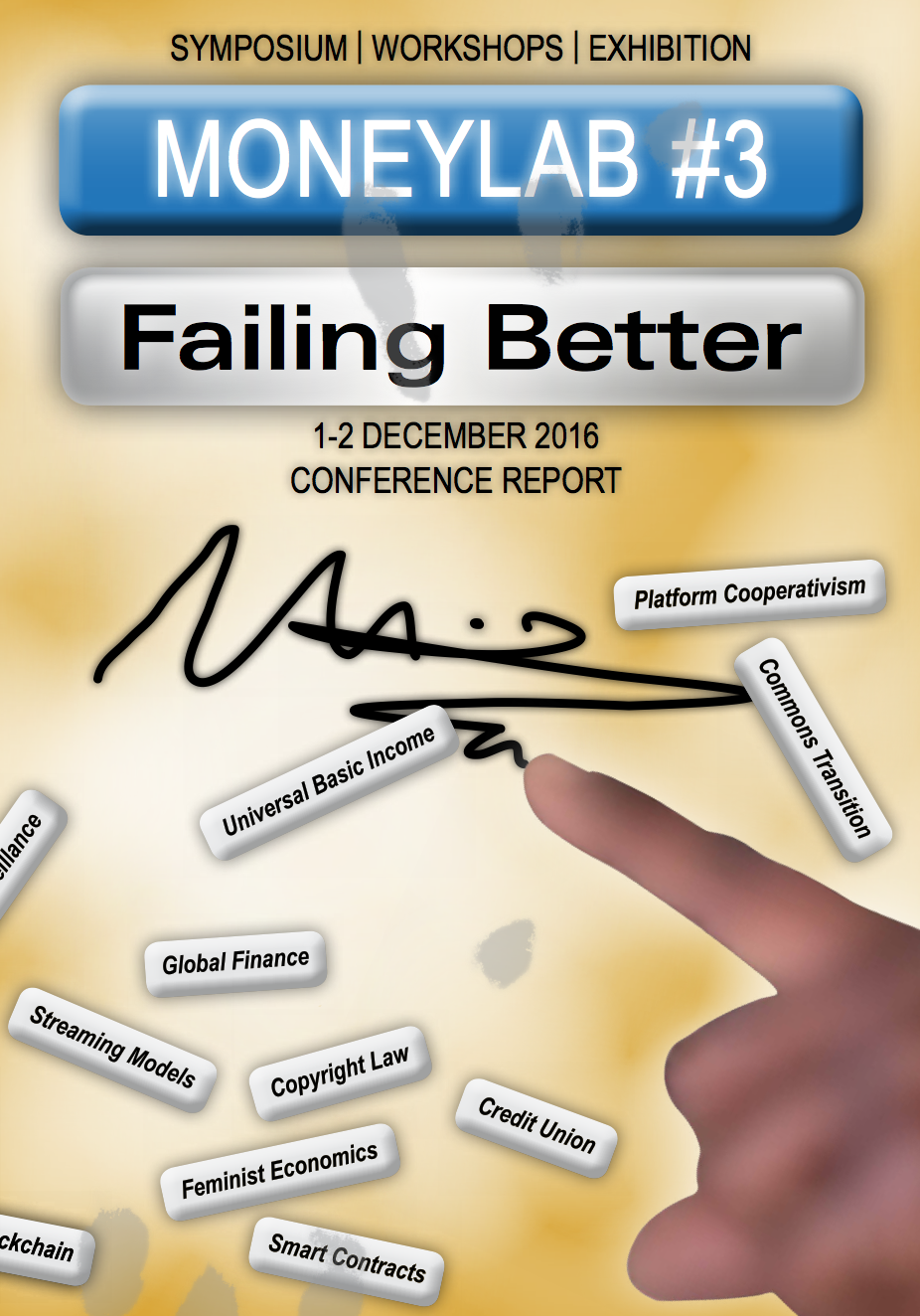
Conference Report
MoneyLab #3 Failing Better 2016 Conference Report
Amsterdam: Institute of Network Cultures, 2016 | Download PDF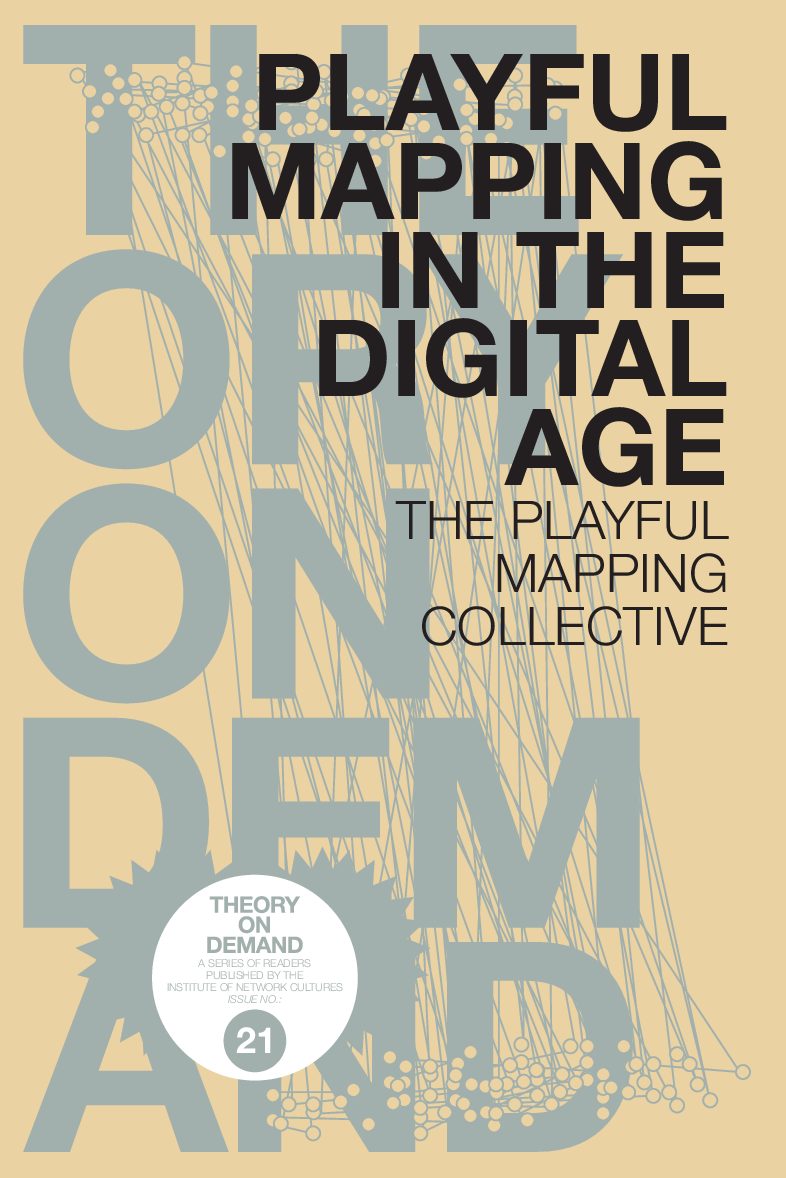
Theory on Demand
TOD #21: Playful Mapping in the Digital Age
by The Playful Mapping Collective | Amsterdam: Institute of Network Cultures, 2016 | Download PDF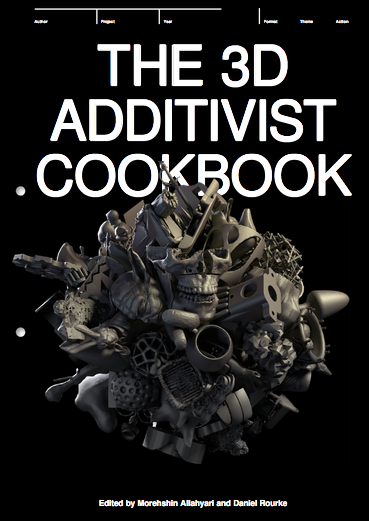
Miscellanea
by Manuel Bürger, Simon Schindele and Alexander Papoli | Amsterdam: Institute of Network Cultures, 2016 | Download PDF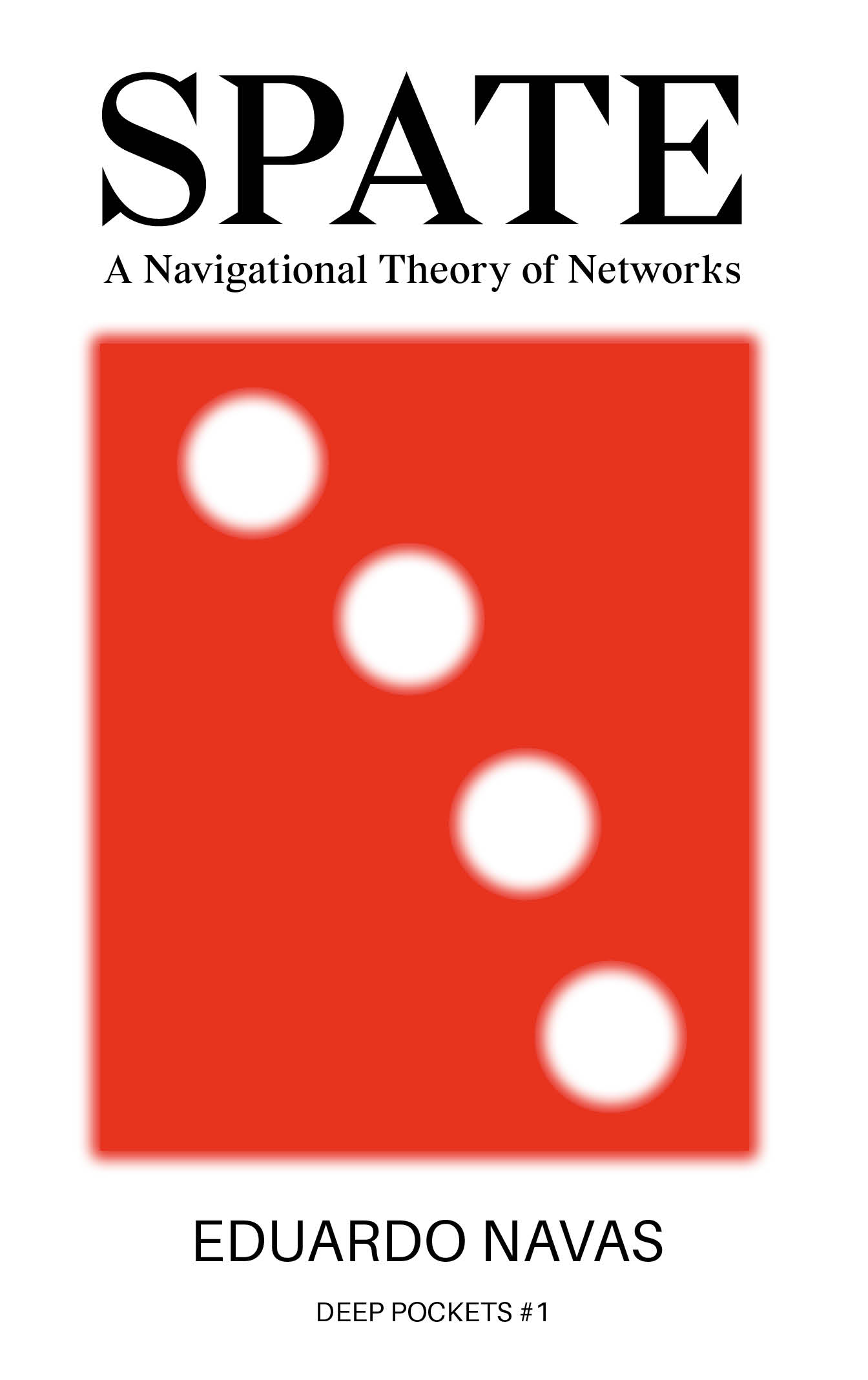
Deep Pockets
Deep Pocket #1: Spate: A Navigational Theory of Networks
by Eduardo Navas | Amsterdam: Institute of Network Cultures, 2016 | Download PDF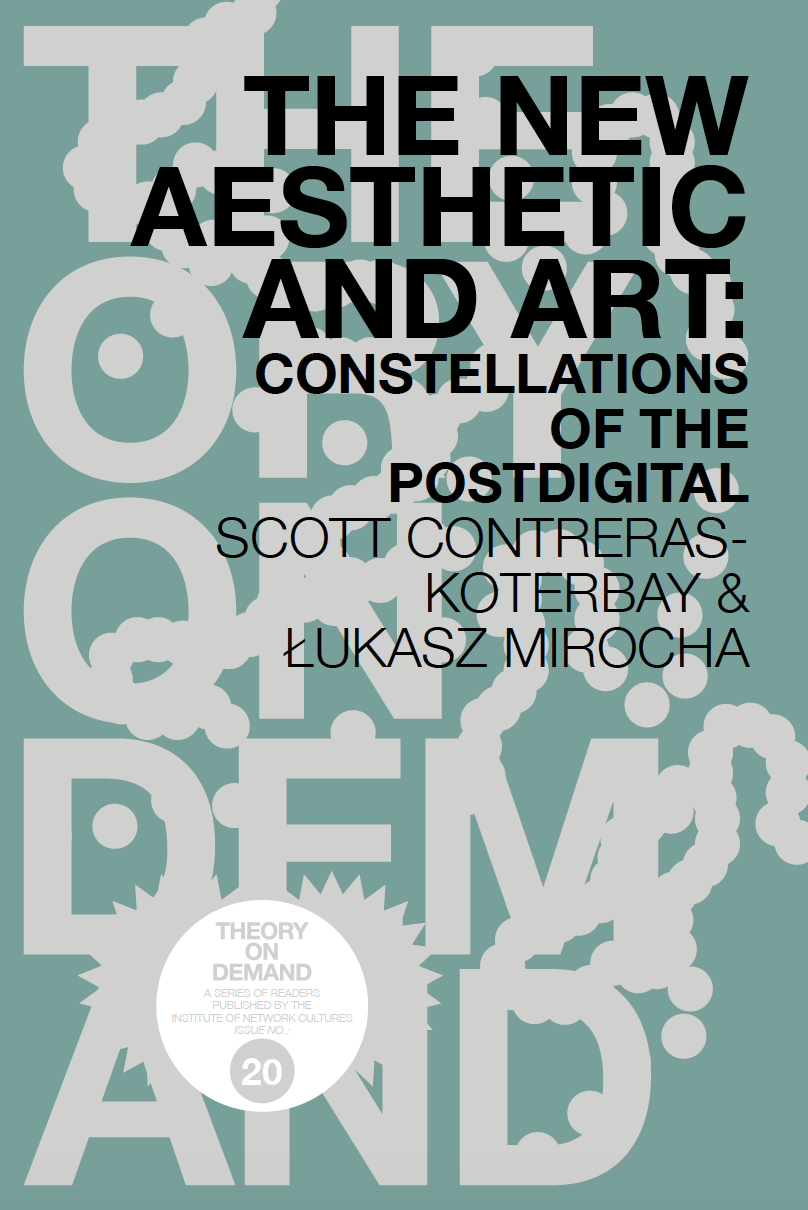
Theory on Demand
TOD #20: The New Aesthetic and Art: Constellations of the Postdigital
by Scott Contreras-Koterbay, Lukasz Mirocha, Miriam Rasch and Nadine Roestenburg | Amsterdam: Institute of Network Cultures, 2016 | Download PDF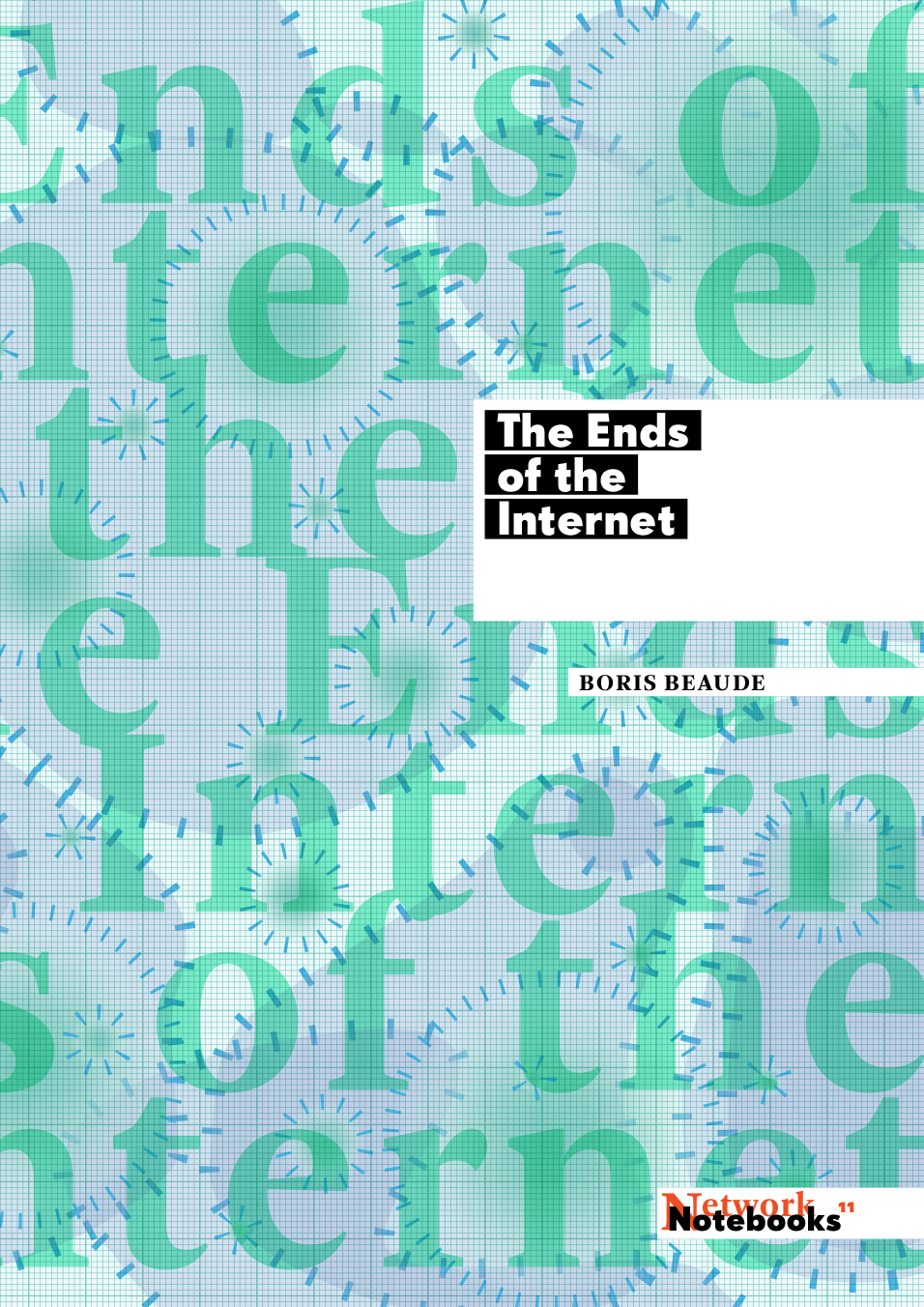
Network Notebooks
Network Notebook #11: The Ends of the Internet, Boris Beaude
By Boris Beaude | Amsterdam: Institute of Network Cultures, 2016 | Download PDF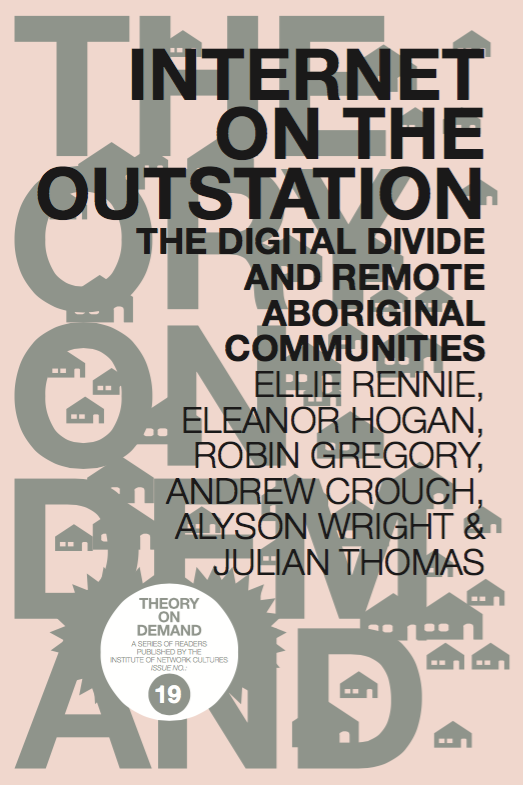
Theory on Demand
TOD #19: Internet on the Outstation: The Digital Divide and Remote Aboriginal Communities
by Ellie Rennie, Eleanor Hogan, Robin Gregory, Andrew Crouch, Alyson Wright and Julian Thomas | Amsterdam: Institute of Network Cultures, 2016 | Download PDF
Geert Lovink's Books
Social Media Abyss: Critical Internet Cultures and the Force of Negation
by Geert Lovink | Amsterdam: Institute of Network Cultures, 2016 | Buy the book
Theory on Demand
by PublishingLab and Institute of Network Cultures | Amsterdam: Institute of Network Cultures, 2015 |
Miscellanea
by Merijn Bolink, Marc van Dijk, Leonieke van Dipten, Eva Hilhorst, Gawie Keyser, Anna Elisabeth Kruyswijk, Ruurd Mulder, Daphne Rieken, Machteld Stoop, Sonja van der Valk, Sophia Zürcher | Amsterdam: Institute of Network Cultures, 2016 |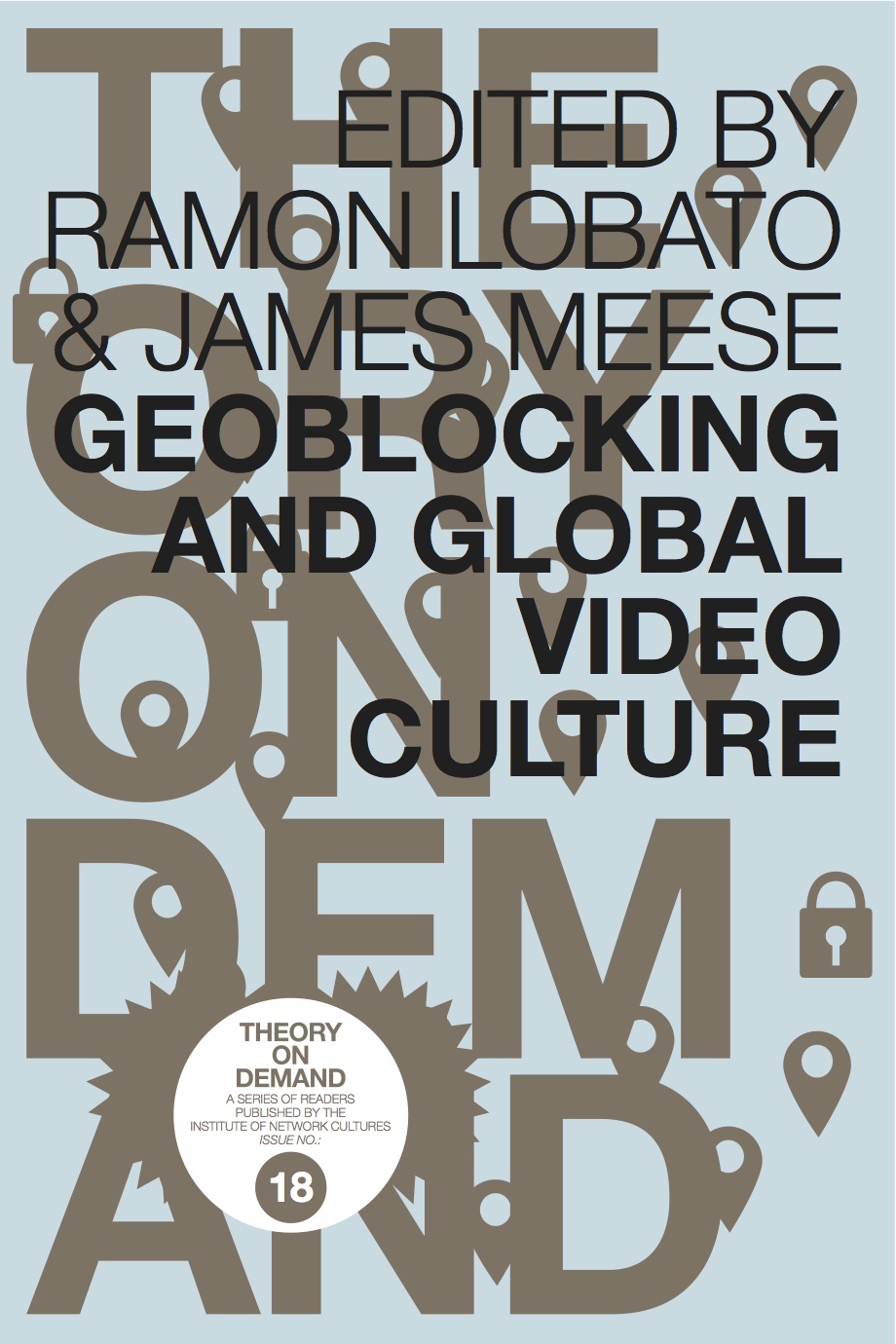
Theory on Demand
TOD #18: Geoblocking and Global Video Culture
by Ramon Lobato, James Meese, Leonieke van Dipten and Miriam | Amsterdam: Institute of Network Cultures, 2016 | Download PDF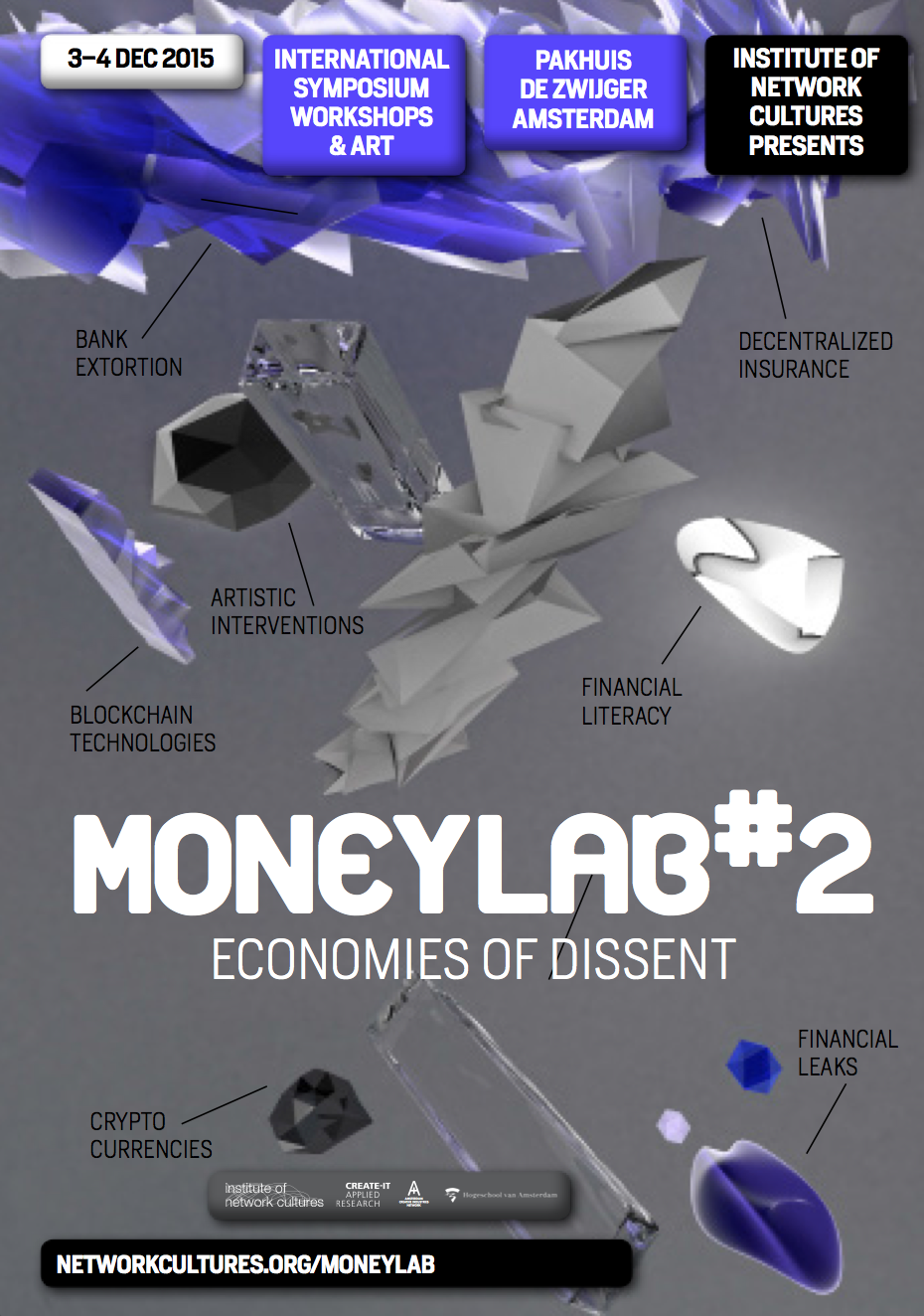
Conference Report
MoneyLab #2: Economies of Dissent 2015 Conference Report
by Jim Costanzo, Geert Lovink, Bruce Pon, Raluca Croitoru, Robin Hood and Femke Herregraven | Amsterdam: Institute of Network Cultures, 2015 | Download PDF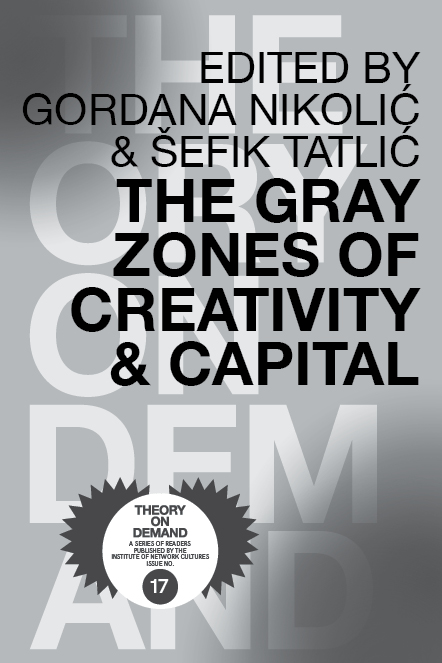
Theory on Demand
TOD #17: The Gray Zones of Creativity and Capital
by Gordana Nikolić and Šefik Tatlić | Amsterdam: Institute of Network Cultures, 2015 | Download PDF
Network Notebooks
by Richard Barbrook, Andy Cameron, Geert Lovink and Miriam Rasch | Amsterdam: Institute of Network Cultures, 2015 |
Theory on Demand
TOD #16: Online Courtship – Interpersonal Interactions Across Borders
by I. Alev Degim, James Johnson and Tao Fu | Amsterdam: Institute of Network Cultures, 2015 | Download PDF
Theory on Demand
TOD #15: In the Facebook Aquarium: The Resistible Rise of Anarcho-Capitalism, Ippolita
by Ippolita | Amsterdam: Institute of Network Cultures, 2015 | Download PDF
INC Reader
MoneyLab Reader: An Intervention in Digital Economy
by Geert Lovink, Nathaniel Tkacz, and Patricia de Vries (eds) | Amsterdam: Institute of Network Cultures, 2015 | Download PDF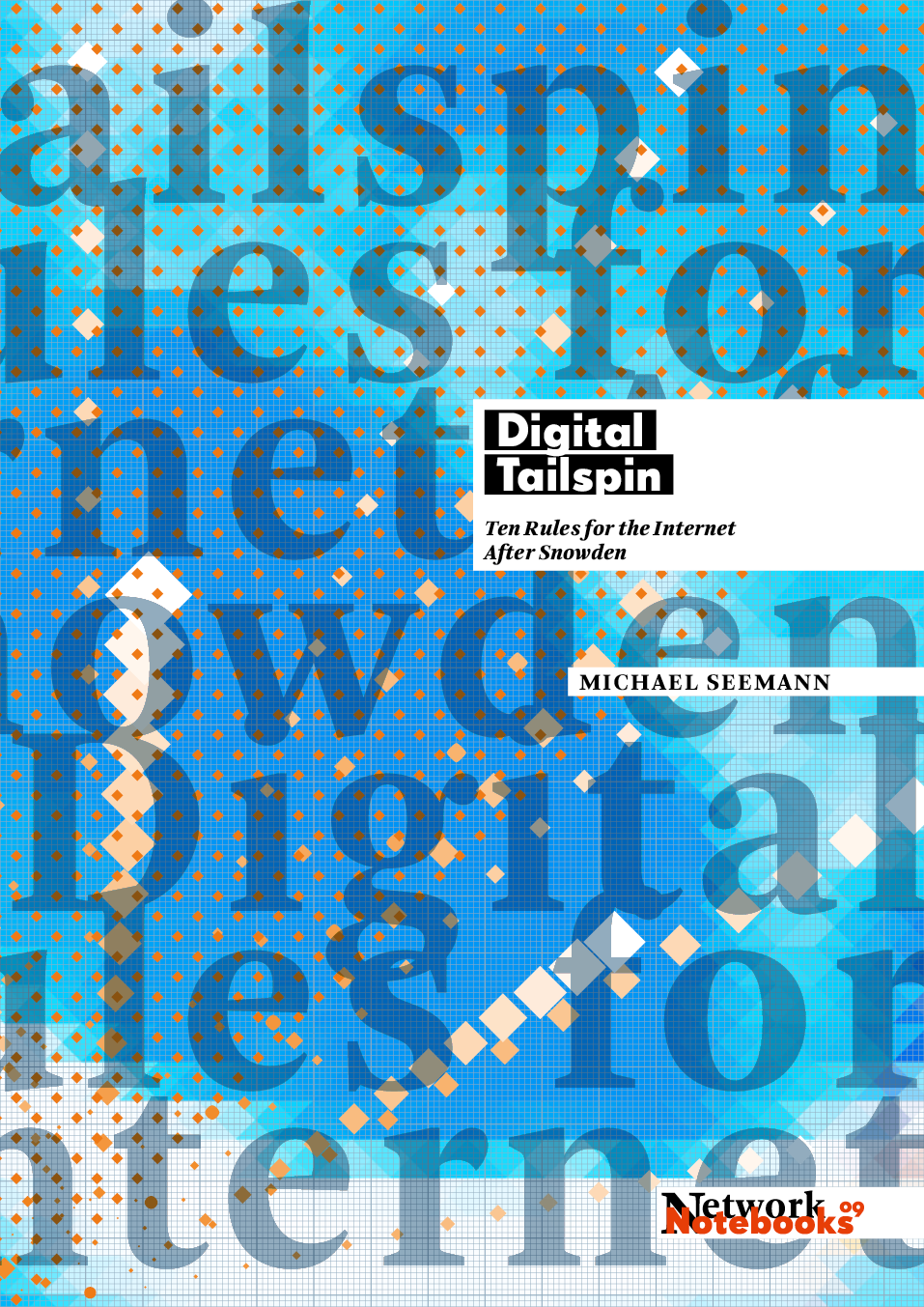
Network Notebooks
Network Notebook #09: Digital Tailspin: Ten Rules for the Internet After Snowden, Michael Seemann
by Michael Seemann | Amsterdam: Institute of Network Cultures, 2015 | Download PDF
Miscellanea
Digital Publishing Toolkit: The Blog Posts
by Marc de Bruijn, Liz Castro, Florian Cramer, Joost Kircz, Silvio Lorusso, Michael Murtaugh, Pia Pol, Miriam Rasch and Margreet Riphagen | Amsterdam: Institute of Network Cultures, 2015 | Download PDF
Miscellanea
From Print to Ebooks: a Hybrid Publishing Toolkit for the Arts
by Marc de Bruijn, Liz Castro, Florian Cramer, Joost Kircz, Silvio Lorusso, Michael Murtaugh, Pia Pol, Miriam Rasch and Margreet Riphagen | Amsterdam: Institute of Network Cultures, 2015 | Download PDF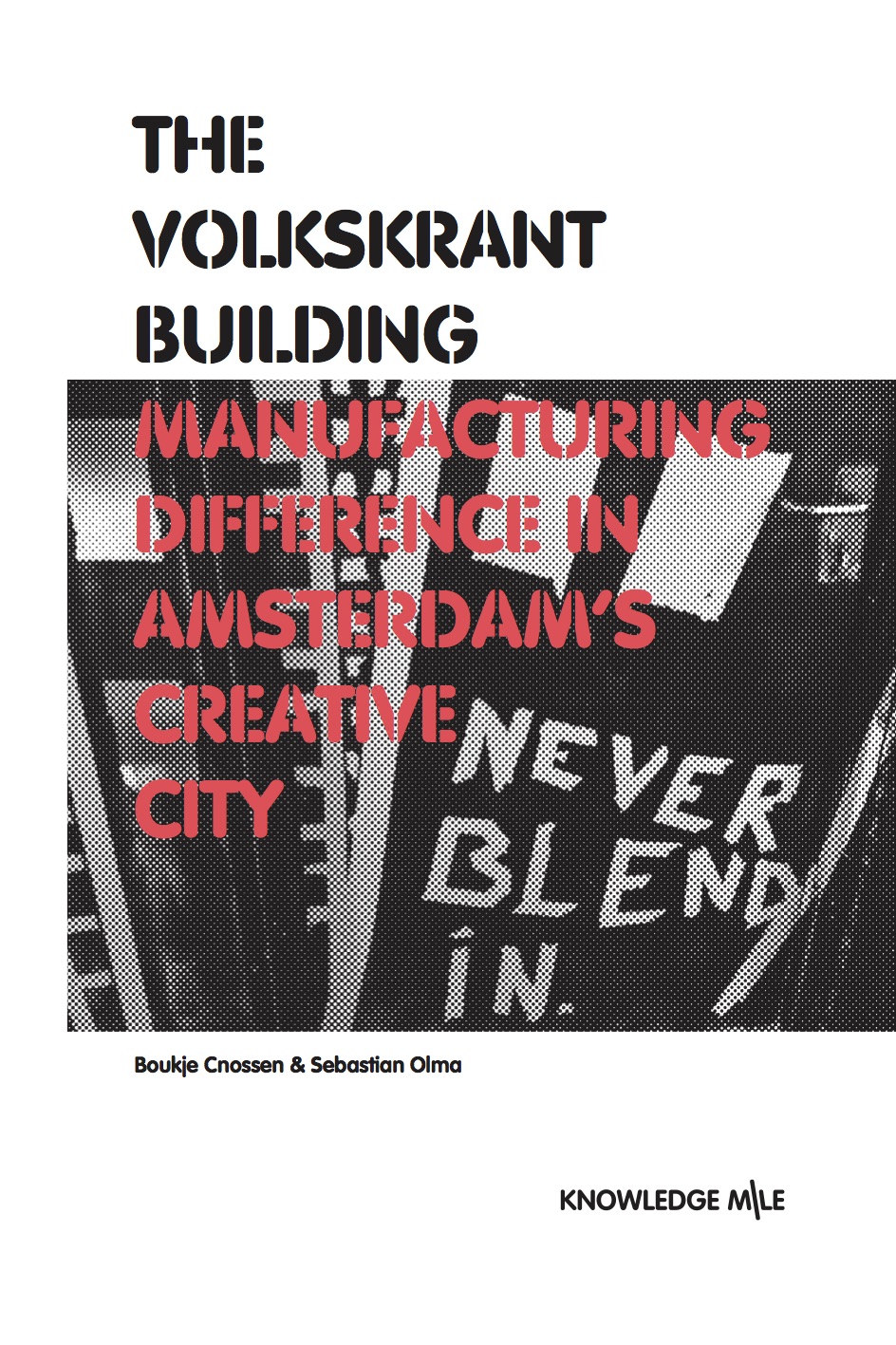
Miscellanea
by Boukje Cnossen and Sebastian Olma | Amsterdam Creative Industries Publishing, 2014 | Download PDF
Network Notebooks
Network Notebook #08: The Allure of the Selfie: Instagram and the New Self Portrait, Brooke Wendt
by Brooke Wendt | Amsterdam: Institute of Network Cultures, 2014 | Download PDF
Network Notebooks
Network Notebook #07: Radical Tactics of the Offline Library, Henry Warwick
by Henry Warwick | Amsterdam: Institute of Network Cultures, 2014 | Download PDF
Miscellanea
by Miriam Rasch, Kylie Jarrett, Andrea Miconi, Dave Crusoe, Mél Hogan & M.E. Luka, Anton Tantner, Anna Jobin & Olivier Glassey, Min Jiang, Angela Daly, Astrid Mager, Dirk Lewandowski | Amsterdam: Institute of Network Cultures, 2014 | Download PDF
Miscellanea
by Ted Byfield, Menno Hurenkamp, Andreas Kallfelz, Eric Kluitenberg and Geert Lovink | Amsterdam: Institute of Network Cultures, 2000 | Download PDF
INC Reader
Society of the Query Reader: Reflections on Web Search
by René König and Miriam Rasch (eds) | Amsterdam: Institute of Network Cultures, 2014 | Download PDF
Conference Report
MoneyLab: Coining Alternatives 2014 conference report
MoneyLab: Coining Alternatives videos and blog reports are now online! If you missed out on this year’s conference or would like to experience it again, be sure to check out the reports, photos and videos of the speakers on the MoneyLab page. MoneyLab: Coining Alternatives, an initiative of the Institute of Network Cultures, Hogeschool van [...] | Download PDF
Theory on Demand
TOD #14: Transcoding the Digital: How Metaphors Matter in New Media, Marianne van den Boomen
by Marianne van den Boomen | Amsterdam: Institute of Network Cultures, 2014. | Download PDF
Theory on Demand
TOD #13: The Dark Side of Google, Ippolita
by Ippolita | Amsterdam: Institute of Network Cultures, 2013 | Download PDF
Studies in Network Cultures
Anti-Media: Ephemera on Speculative Arts, Florian Cramer
by Florian Cramer | Rotterdam: nai010 Publishers, Willem de Kooning Academy, Amsterdam: Institute of Network Cultures, 2013 | Download PDFBuy the book
Conference Report
The Society of the Query #2 conference report offers an overview of the conference held November 7-8 2013 in Amsterdam. The file functions both as a summary and as archive of the project. It consists of the key results, the conference program, all conference blogposts and many other (research) blogposts concerning the topic of ‘online search [...] |
INC Reader
Unlike Us Reader: Social Media Monopolies and Their Alternatives
by Geert Lovink and Miriam Rasch (eds) | Amsterdam: Institute of Network Cultures, 2013 | Download PDF
Network Notebooks
Network Notebook #06: The Inner Life of Video Spheres, Andreas Treske
by Andreas Treske | Amsterdam: Institute of Network Cultures, 2013 | Download PDF
Miscellanea
by Geert Lovink, Mercedes Bunz, Nathan Jurgenson, PJ Rey, Jenny Kennedy, Andrew McNihol, Mariann Hardey & David Beer, Tiziana Terranova & Joan Donovan, Tatiana Bazzichelli, Leighton Evans, Yuki Hui & Harry Halpin, Lonneke van der Velden and Peter Olsthoorn | Amsterdam: Institute of Network Cultures and CREATE-IT applied research, 2013 | Download PDF
Conference Report
Unlike Us #3 conference report
Unpublished document. Edited by Serena Westra and Stijn Peeters | Amsterdam: Institute of Network Cultures, 2013 | Download PDF
Theory on Demand
TOD #12: Variant Analyses, Interrogations of New Media Art and Culture, Patrick Lichty
by Patrick Lichty | Amsterdam: Institute of Network Cultures, 2013 | Download PDF
Theory on Demand
TOD #11: Creative Networks, in the Rearview Mirror of Eastern European History, Rasa Smite
by Rasa Smite | Amsterdam: Institute of Network Cultures, 2012 | Download PDF
INC Reader
Video Vortex Reader II: Moving Images Beyond YouTube
Edited by Geert Lovink and Rachel Somers Miles | Amsterdam: Institute of Network Cultures, 2011 | Download PDF
Studies in Network Cultures
Nettitudes – Let’s Talk Net Art, Josephine Bosma
by Josephine Bosma | Rotterdam: NAi Publishers, Amsterdam: Institute of Network Cultures, 2011 | Download PDFBuy the book
Conference Report
The Unbound Book conference report
The Unbound Book Conference Report. Amsterdam: Institute of Network Cultures, 2011. 57 p. | Download PDF
Conference Report
Unlike Us #2 conference report
Conference report. Edited by Magreet Riphagen and Serena Westra | Amsterdam: Institute of Network Cultures, 2012 | Download PDF
Geert Lovink's Books
Networks Without a Cause, Geert Lovink
by Geert Lovink | Cambridge: Polity Press, 2011 | Buy the book
Geert Lovink's Books
Das halbwegs Soziale: Eine Kritik der Vernetzungskultur by Geert Lovink
by Geert Lovink | Cambridge: Polity Press, 2011 | Buy the book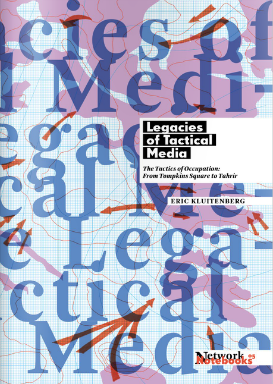
Network Notebooks
by Eric Kluitenberg | Amsterdam: Institute of Network Cultures, 2011 | Download PDF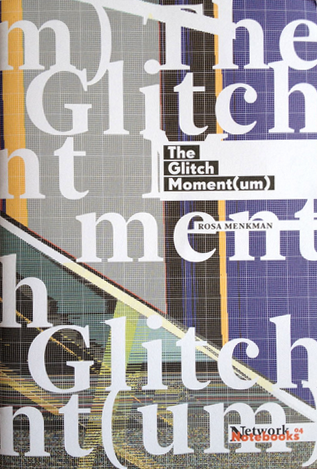
Network Notebooks
by Rosa Menkman | Amsterdam: Institute of Network Cultures, 2011 | Download PDF
Theory on Demand
TOD #10: Beyond ICT4D: New Media Research in Uganda
by Ali Balunywa, Guido van Diepen, Wouter Dijkstra, Kai Henriquez, Ben White and Geert Lovink | Amsterdam: Institute of Network Cultures, 2011 | Download PDF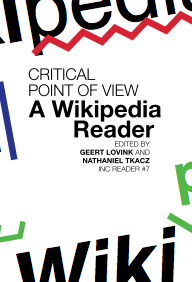
INC Reader
Critical Point of View: A Wikipedia Reader
by Geert Lovink and Nathaniel Tkacz | Amsterdam: Institute of Network Cultures, 2011 | Download PDF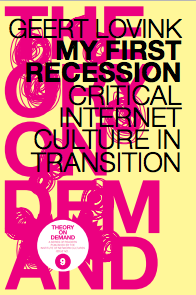
Theory on Demand
TOD #9: My First Recession: Critical Internet Culture in Transition
by Geert Lovink | Amsterdam: Institute of Network Cultures, 2011 | Download PDF
Theory on Demand
TOD #8: Depletion Design: A Glossary of Network Ecologies
by Carolin Wiedemann and Soenke Zehle | Amsterdam: Institute of Network Cultures, 2012 | Download PDF
Theory on Demand
TOD #7: Image, Time and Motion: New Media Critique from Turkey
by Andreas Treske, Ufuk Onen, Bestem Büyüm and I. Alev Degim | Amsterdam: Institute of Network Cultures, 2011 | Download PDF
Studies in Network Cultures
Web Aesthetics: How Digital Media Affect Culture and Society
by Vito Campanelli | Rotterdam and Amterdam: NAi Publishers and the Institute of Network Cultures, 2010 | Download PDFBuy the book
Conference Report
Amsterdam: Institute of Network Cultures, 2010 | Download PDF
Theory on Demand
TOD #6: Gaming Rhythms: Play and Counterplay from the Situated to the Global
by Tom Apperley | Amsterdam: Institute of Network Cultures, 2010 | Download PDF
Network Notebooks
by Dymtri Kleiner | Amsterdam: Institute of Network Cultures, 2010 | Download PDF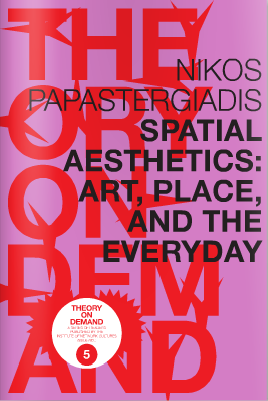
Theory on Demand
TOD #5: Spatial Aesthetics: Art, Place and the Everyday
by Nikos Papastergiadis | Amsterdam: Institute of Network Cultures, 2010 | Download PDF
Conference Report
Amsterdam: Institute of Network Cultures, 2010 | Download PDF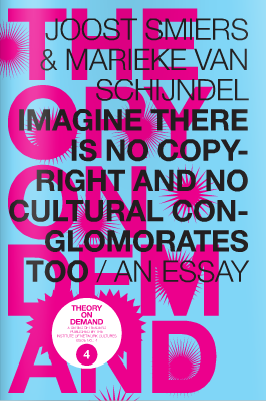
Theory on Demand
TOD #4: Imagine There Is No Copyright and No Cultural Conglomorates Too…
by Joost Smiers and Marieke van Schijndel | Amsterdam: Institute of Network Cultures, 2009 | Download PDF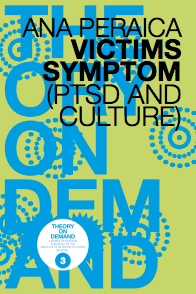
Theory on Demand
TOD #3: Victims’ Symptom: PTSD and Culture
by Ana Peraica | Amsterdam: Institute of Network Cultures, 2009 | Download PDF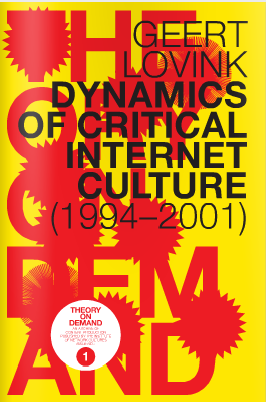
Theory on Demand
TOD #1: Dynamics of Critical Internet Culture
by Geert Lovink | Amsterdam: Institute of Network Cultures, 2009 | Download PDF
Theory on Demand
TOD #2: Jugendjahre der Netzkritik: Essays zu Web 1.0 (1995-1997)
by Geert Lovink and Pit Schultz | Amsterdam: Institute of Network Cultures, 2010 | Download PDF
Conference Report
Society of the Query: Stop Searching, Start Questioning
Amsterdam: Institute of Network Cultures | Download PDF
INC Reader
by Scott McQuire, Meredith Martin and Sabine Niederer | Amsterdam: Institute of Network Cultures, 2009 | Download PDF
Miscellanea
From Weak Ties to Organized Networks: Ideas, Reports, Critiques
by Geert Lovink | Amsterdam: Institute of Network Cultures, 2009 | Download PDF
INC Reader
Video Vortex Reader: Responses to YouTube
by Geert Lovink and Sabine Niederer | Amsterdam: Institute of Network Cultures, 2008 | Download PDF
INC Reader
MyCreativity Reader: A Critique of Creative Industries
by Geert Lovink and Ned Rossiter | Amsterdam: Institute of Network Cultures, 2008 | Download PDF
Studies in Network Cultures
Animal Spirit: A Bestiary of the Commons
by Matteo Pasquinelli | Rotterdam and Amsterdam: NAi Publishers and the Institute of Network Cultures, 2008 | Download PDFBuy the book
Network Notebooks
The Internet of Things: A Critique of Ambient Technology and the All-seeing Network of RFID
by Rob van Kranenburg | Amsterdam: Institute of Network Cultures, 2007 | Download PDF
Network Notebooks
Technobohemians or the new Cybertariat? New Media Work in Amsterdam a Decade After the Web
by Rosalind Gill | Amsterdam: Institute of Network Cultures, 2007 | Download PDF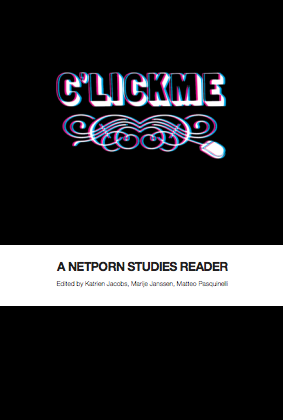
INC Reader
C’Lick Me: A Netporn Studies Reader
by Katrien Jacobs, Marije Janssen and Matteo Pasquinelli | Amsterdam: Institute of Network Cultures, 2007 | Download PDF
Studies in Network Cultures
Delusive Spaces: Essays on Culture, Media and Technology
by Eric Kluitenberg | Rotterdam and Amsterdam: NAi Publishers and the Institute of Network Cultures, 2007. | Download PDFBuy the book
Miscellanea
54.780 Woorden over Nieuwe Media Cultuur in Nederland
compiled by Femke Sleegers en Theo Ploeg | Amsterdam: Institute of Network Cultures and Sandberg Instituut, 2007 | Download PDF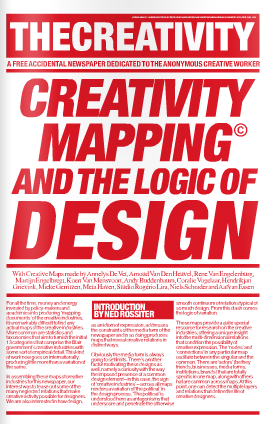
Miscellanea
by Mieke Gerritzen, Hendrik-Jan Grievink, Geert Lovink, Sabine Niederer and Ned Rossiter | Amsterdam: Institute of Network Cultures, 2007 | Download PDF
Geert Lovink's Books
Zero Comments: Blogging and Critical Internet Culture
by Geert Lovink | New York: Routledge, 2007 | Buy the book
Geert Lovink's Books
by Geert Lovink and Trebor Scholz | New York: Autonomedia, 2007 | Buy the book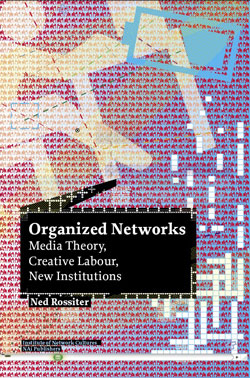
Studies in Network Cultures
Organized Networks: Media Theory, Creative Labour, New Institutions
by Ned Rossiter | Rotterdam and Amsterdam: NAi Publishers and the Institute of Network Cultures, 2006 | Download PDFBuy the book
INC Reader
by Geert Lovink and Soenke Zehle | Amsterdam: Institute of Network Cultures, 2005 | Download PDF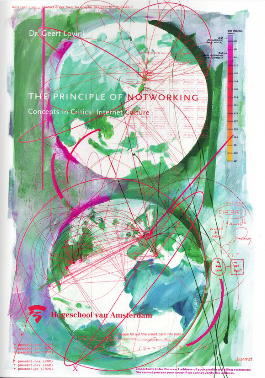
Geert Lovink's Books
The Principle of Notworking: Concepts in Critical Internet Culture
by Geert Lovink | Amsterdam: AUP, 2005 | Download PDF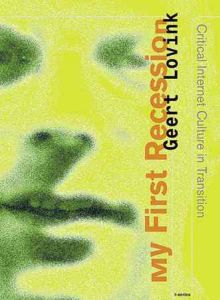
Geert Lovink's Books
My First Recession: Critical Internet Culture in Transition
by Geert Lovink | Rotterdam: V2_NAi Publishers, 2003 | Buy the book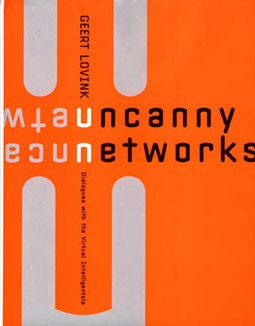
Geert Lovink's Books
Uncanny Networks: Dialogues with the Virtual Intelligentsia
by Geert Lovink | Cambridge: MIT Press, 2002 | Buy the book
Geert Lovink's Books
Dark Fiber: Tracking Critical Internet Culture
by Geert Lovink | Cambridge: MIT Press, 2002 | Buy the book